


What Does Floor Restoration Involve for Homeowners

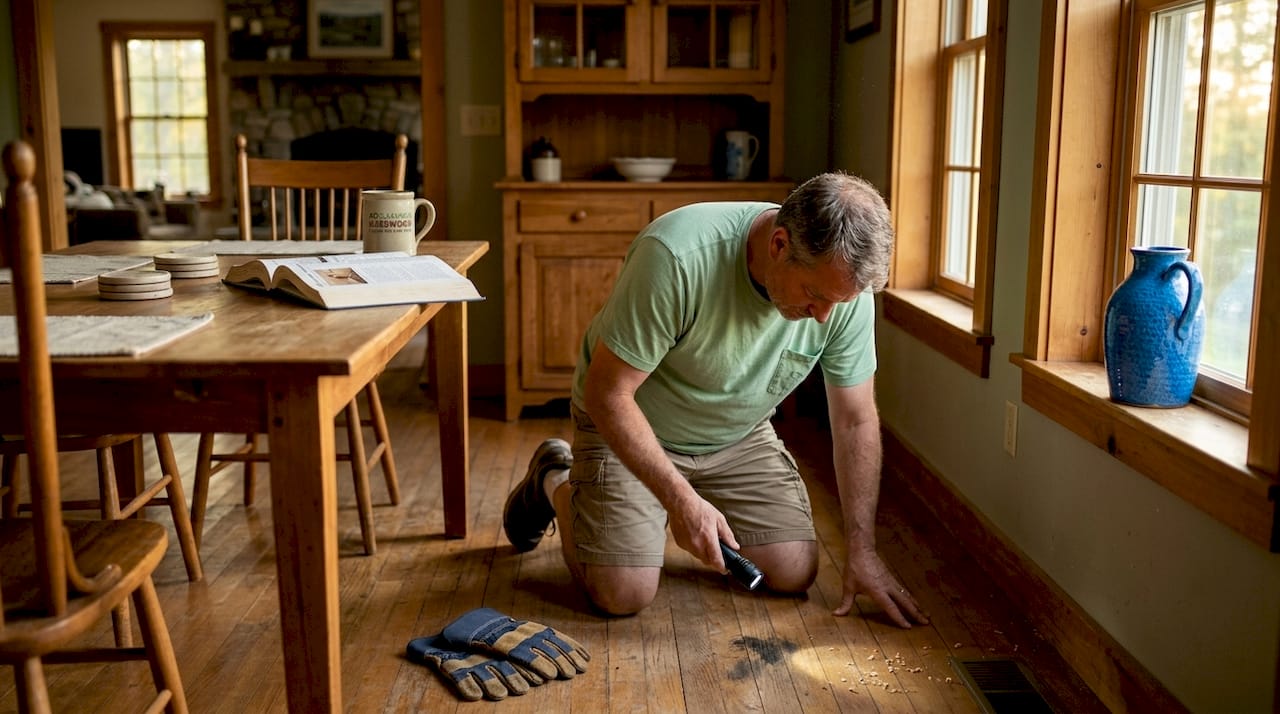
Most homeowners assume that fixing worn hardwood floors means renting a sander and tearing everything down to bare wood. That assumption leads a lot of people to either put off the project entirely or jump straight to replacing floors that didn’t need replacing. What does floor restoration involve, really? The answer depends heavily on your floor’s current condition, and the process ranges from a quick buff and recoat to a full multi-day sand and refinish. Understanding the difference can save you thousands of dollars and weeks of disruption.
Table of Contents
Key takeaways
Point | Details |
Restoration beats replacement | Most worn hardwood floors can be restored rather than replaced, saving significant cost and time. |
Method depends on damage depth | Light surface wear calls for screening and recoating; deep scratches require full sanding. |
Maintenance extends floor life | Sealing and buffing on a regular schedule delays the need for major restoration work. |
Solid wood has limits | Solid hardwood can typically be refinished up to 5 to 7 times before the wear layer is gone. |
Professional assessment matters | A pro evaluation before choosing a restoration method protects your floor and your budget. |
What floor restoration actually involves
Before getting into the floor restoration process, it helps to understand what the term covers. Floor restoration is not one single service. It is a category of processes designed to renew the surface, finish, and structural integrity of existing wood floors without tearing them out.
The right method depends almost entirely on how much damage exists and whether the finish is still intact. Here is how the major options break down:
Method | Best for | Invasiveness | Typical timeline |
Clean and buff | Surface dirt, light dullness | Very low | A few hours |
Screen and recoat | Light wear, intact finish | Low | One day |
Sand-free restoration | Minor scuffs, no deep scratches | Low | One day |
Full sand and refinish | Deep scratches, heavy wear, old finish | High | 1 to 3 days |
Screening and recoating is a less invasive alternative to full sanding that restores shine on intact finishes by lightly abrading the surface and applying a fresh topcoat. It is faster, less disruptive, and costs significantly less than a full sand job.
Full sand and refinishing is the heavy-duty option. It is needed for deep scratches or significant wear where the finish is gone and the wood itself is damaged. This method removes old finish completely, levels the surface, and starts fresh with new stain and sealer.
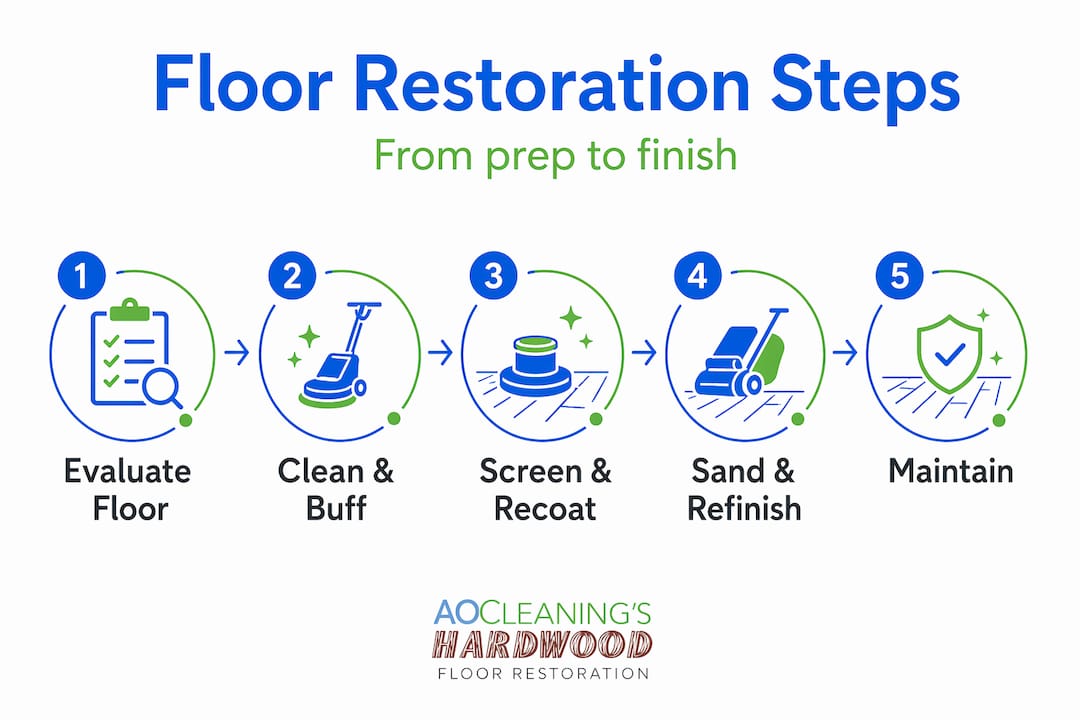
The middle ground options, including sand-free restoration and clean-and-buff services, work well for floors that are dull or lightly scuffed but still structurally sound. These are often the right answer for homeowners who have been keeping up with basic maintenance and just need a refresh.
Steps in floor restoration from start to finish
Knowing what happens during a professional floor restoration process helps you set realistic expectations and prepare your home properly. Here is how it typically unfolds:
Initial assessment. A professional examines the floor for damage depth, finish condition, wood species, and overall wear. This determines which restoration method is appropriate.
Room preparation. Furniture is moved out. Doorways and vents are sealed to contain dust. Baseboards may be masked off depending on the method.
Cleaning. The floor is thoroughly cleaned before any sanding or coating begins. Residue, wax, and debris must be removed for the new finish to bond correctly.
Sanding (if applicable). Professional sanding involves multiple passes with coarse, medium, and fine grit paper to remove old finish, level the surface, and prepare the wood for staining.
Staining (optional). If you want to change the floor’s color, stain is applied at this stage and allowed to penetrate fully before sealing.
Sealing and finishing. A protective topcoat is applied, either water-based or oil-based. Water-based finishes dry faster and have less odor. Oil-based finishes tend to be more durable and amber in color.
Curing. Professionals recommend waiting 48 hours before walking on a freshly finished floor, and up to a week before moving furniture back in.
Pro Tip: If you are choosing between water-based and oil-based finish, consider your timeline. Water-based finishes allow for faster recoating between coats, which can speed up the entire process by a full day.
The full restoration guide from Aosaveswoodfloors walks through each of these stages in more detail and explains how professionals make decisions at each step.
How maintenance protects your restored floors
Getting your floors restored is only half the job. What you do afterward determines how long that restoration lasts and how often you need to repeat major work.
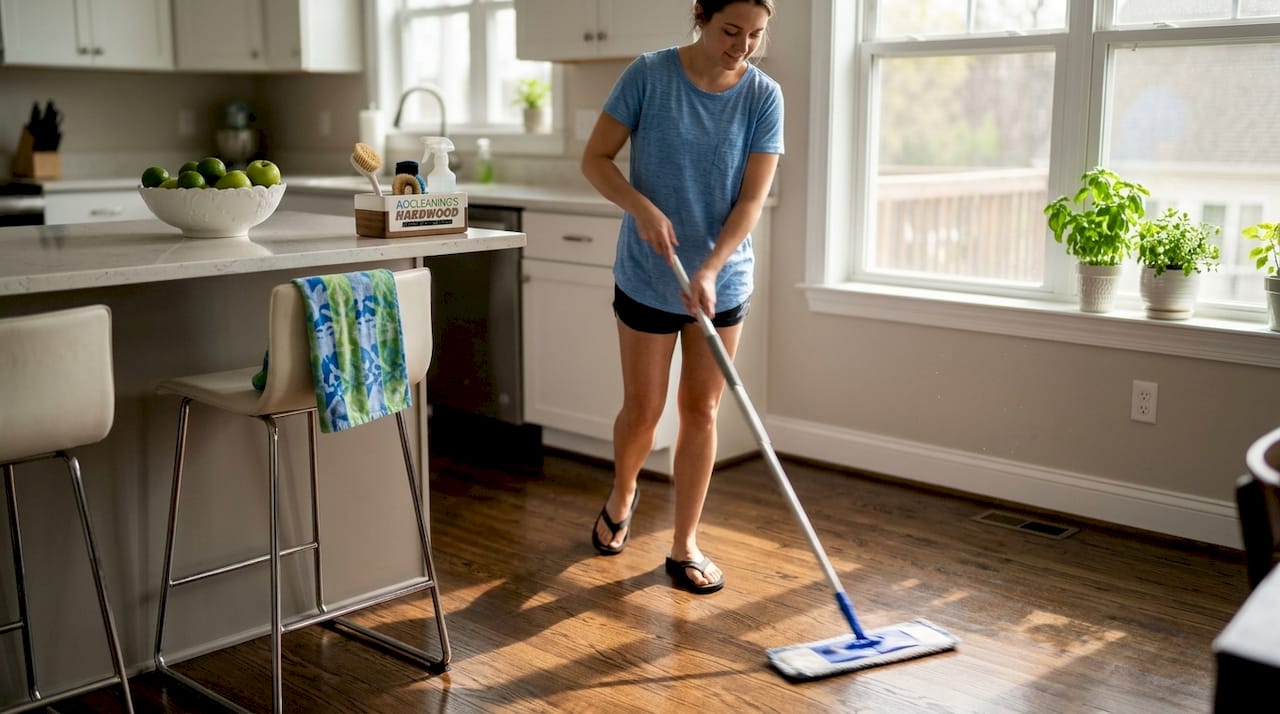
Sealing wood floors with urethane every 6 to 12 months protects the surface and delays the need for full refinishing. In high-traffic areas like hallways and kitchens, leaning toward the six-month end of that range pays off significantly.
Here are the most practical floor maintenance tips to follow after any restoration:
Place felt pads under all furniture legs to prevent scratching when pieces are moved.
Use entry mats at exterior doors to catch grit before it reaches your floors.
Avoid walking on hardwood in spiked heels or cleats, which concentrate weight in a very small area.
Clean spills immediately. Water that sits on hardwood penetrates the grain and causes swelling and staining.
Sweep or dust-mop daily in high-traffic areas rather than waiting for buildup.
Early buff and recoat intervention handles light wear before it becomes deep scratching, which extends floor life and delays expensive full sanding. Think of it like changing your car’s oil. You do it before the engine shows a problem, not after.
Pro Tip: Schedule a professional clean and buff once a year even if your floors look fine. Catching early wear before it penetrates the finish is far cheaper than addressing it after the damage is done.
Signs that maintenance is no longer enough and restoration is overdue include visible wood grain through the finish, gray or black water stains, boards that feel soft underfoot, or finish that no longer responds to cleaning and buffing.
Floor type limits and what you need to know first
Not every floor can be restored the same way, and not every floor can be restored indefinitely. These constraints matter before you commit to any service.
Solid hardwood is the most restoration-friendly option. Solid wood can be refinished 5 to 7 times over its lifespan, depending on how much material is removed each time. A floor that has been lightly sanded and has never been deeply damaged may have even more life in it.
Engineered hardwood is a different story. The wear layer on engineered wood varies from about 1 to 6 millimeters, and thinner veneers may only allow one or two refinishes before the surface layer is gone. A professional needs to measure that thickness before recommending full sanding.
Floor type | Refinish potential | Key limitation |
Solid hardwood | 5 to 7 times | Total wear layer depth |
Engineered hardwood | 1 to 3 times | Veneer thickness |
Laminate | Not refinishable | No real wood layer |
Vinyl/LVP | Not refinishable | Plastic surface layer |
There is another consideration that catches homeowners off guard, especially in homes built before 1980. Sanding in older homes may uncover asbestos or lead paint beneath or around the floor, which changes the scope of the job and requires specific safety handling. A professional assessment before work begins is not a formality in these situations. It is a genuine safety step.
When floor replacement is actually the right choice: if the subfloor is structurally compromised, if boards are rotted through, or if the floor has been sanded down to the tongue-and-groove joint, no amount of restoration will help. Replacement becomes the only path forward.
My honest take after years of watching homeowners decide
I have watched a lot of homeowners make the same mistake: they wait. A floor that needed a screen and recoat two years ago now needs a full sand and refinish because the light wear that could have been buffed out has ground through the finish and into the wood grain. The cost difference is not trivial. A screen and recoat typically runs a fraction of what a full sand costs, and the disruption is far less.
The other thing I have seen is homeowners spending money on the wrong service. Someone gets talked into a full sand and refinish on a floor that had two small scratches. The floor loses a layer of wear material it did not need to lose, and the homeowner pays for hours of labor that were never necessary.
My honest advice: get a proper assessment first. Not a quote. An assessment. Those are different things. A quote tells you what a service costs. An assessment tells you what your floor actually needs. Starting with the right diagnosis is how floor restoration preserves value instead of accidentally accelerating damage.
Maintaining floors between professional visits is also something I feel strongly about. The homeowners with the best-looking floors are rarely the ones who spent the most. They are the ones who stayed consistent with basic care and addressed small problems before they became big ones.
— Jim
Let Aosaveswoodfloors assess your floors before you decide
If your floors are showing wear but you are not sure what they actually need, Aosaveswoodfloors is worth calling before you do anything else. They have been restoring hardwood floors across the St. Louis metro and central Illinois since 2003, with over 450 Google reviews backing their reputation.

Their team will assess your floor condition and match you to the right service, whether that is a full sand and refinish for seriously worn floors or a screen and recoat for light surface wear. They use dustless equipment and eco-friendly products on every job, so there is no mess left behind and no lingering odors. Most services are completed in a single day, with floors ready to walk on in about three hours. Before you refloor it, let them restore it.
FAQ
What does floor restoration involve at its most basic level?
Floor restoration is the process of renewing the surface, finish, and appearance of existing hardwood floors through methods ranging from light buffing to full sanding and refinishing, depending on the damage depth and current finish condition.
How do I know if I need a screen and recoat or full refinishing?
If your floor’s finish is still intact but looking dull or showing light wear, a screen and recoat is typically sufficient. Full sanding and refinishing is needed when scratches have cut through the finish and into the wood itself.
How many times can hardwood floors be refinished?
Solid hardwood floors can generally be refinished 5 to 7 times over their lifespan. Engineered hardwood is more limited, typically allowing only 1 to 3 refinishes depending on the thickness of the top veneer layer.
How long does it take to walk on floors after restoration?
Professionals recommend waiting at least 48 hours before walking on freshly refinished floors, and up to one week before moving furniture back into the room to allow the finish to cure fully.
What maintenance should I do after my floors are restored?
Apply a urethane sealer every 6 to 12 months, use felt pads under furniture, place mats at entryways, and address any scuffs or light scratches with a professional buff and recoat before they worsen.
Recommended
Why Your Beautiful Countertops Look Dull (And How Professional Restoration Can Fix Them)
Understanding Pro Services: A Complete Guide to Hardwood Floor Restoration Options
The Ultimate Guide: When to Clean and Buff Your Hardwood Floors
How to Refurbish Your Hardwood Floor Without Sanding: A Professional Guide

Comments