


Best Cleaning Products for Hardwood Floors in 2026

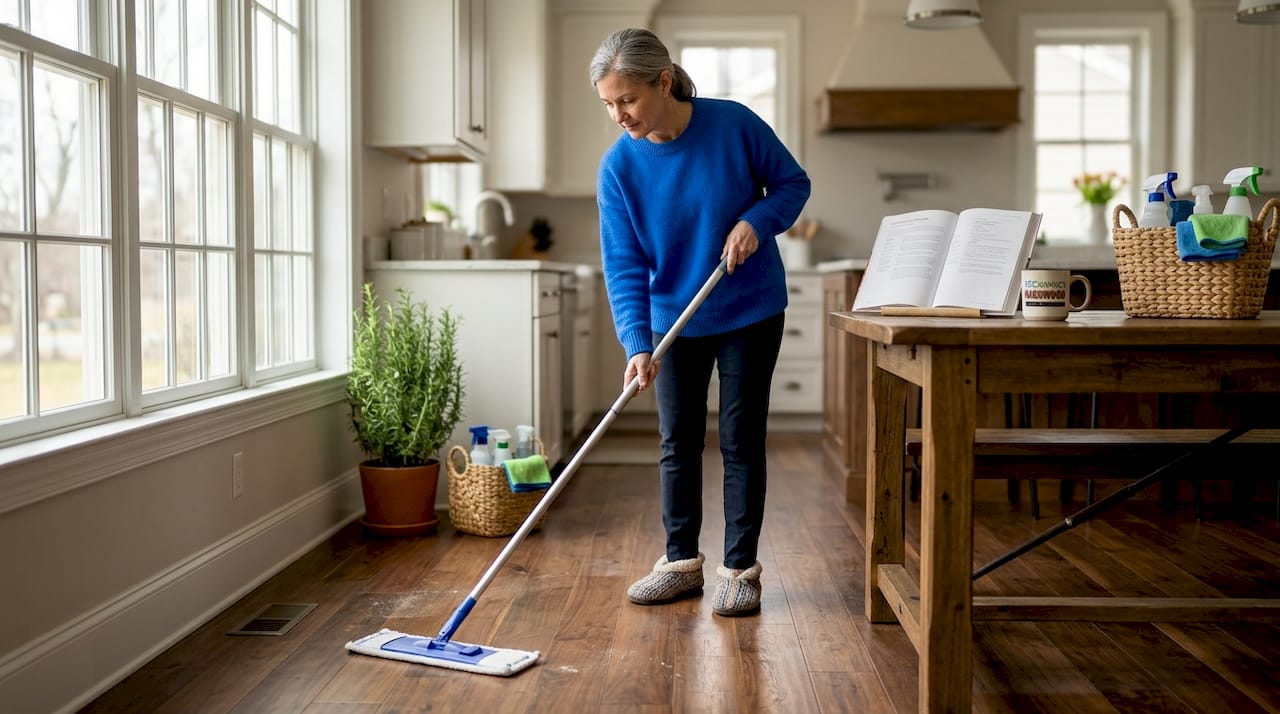
You picked the wrong cleaner once. Maybe you grabbed a multipurpose spray that left a hazy film, or tried a vinegar solution from a blog post and noticed your floor’s shine fading over the next few months. Finding the best cleaning products for hardwood floors is harder than it looks because hardwood finishes are sensitive in ways most people don’t realize until damage is done. This guide cuts through the noise with lab-tested product recommendations, expert-backed techniques, and the honest warnings your floors need you to hear.
Table of Contents
Key takeaways
Point | Details |
pH-neutral formulas only | Acidic or alkaline cleaners etch hardwood finishes, causing dullness and long-term damage. |
Damp mop, never wet | Even safe cleaners can warp wood if your mop holds too much water. |
Skip the vinegar trick | DIY acidic mixes remain popular online but experts warn they degrade polyurethane finishes over time. |
Dry dust before wet cleaning | Removing grit first protects your floor from scratches and reduces how often you need to mop. |
Test before full application | Always try a new product in a hidden corner before cleaning the entire floor. |
Best cleaning products for hardwood floors: what to look for
Before you compare bottles on a store shelf, you need to know what separates a safe hardwood cleaner from one that slowly destroys your finish. The formula matters more than the brand name.
What to look for:
pH-neutral formula. A neutral pH (around 7) means the cleaner won’t chemically react with your polyurethane or aluminum oxide finish. Anything too acidic or too alkaline strips the protective layer over time.
Water-based formula. Water-based cleaners evaporate quickly and leave less residue than solvent-based alternatives, which is exactly what sealed hardwood needs.
EPA Safer Choice or Greenguard Gold certification. These certifications signal that the product has been evaluated for both safety and environmental impact. Products like Bona carry Greenguard Gold certification, which matters especially in homes with kids or pets.
No wax or petroleum ingredients. Wax-based products build up over time and eventually require professional removal to restore the floor’s original look.
Unsafe ingredients to avoid include bleach, ammonia, phosphates, phthalates, and parabens. These show up in general-purpose cleaners that aren’t formulated with wood finishes in mind.
Best mops for hardwood floors fall into two categories: flat microfiber mops and spray mop systems. Microfiber pads and spray mops control moisture better than string mops or sponge mops, and they lift fine grit without pushing it across the surface. If you’re still using a traditional mop with a bucket, that’s likely contributing to your streaking or residue problems.
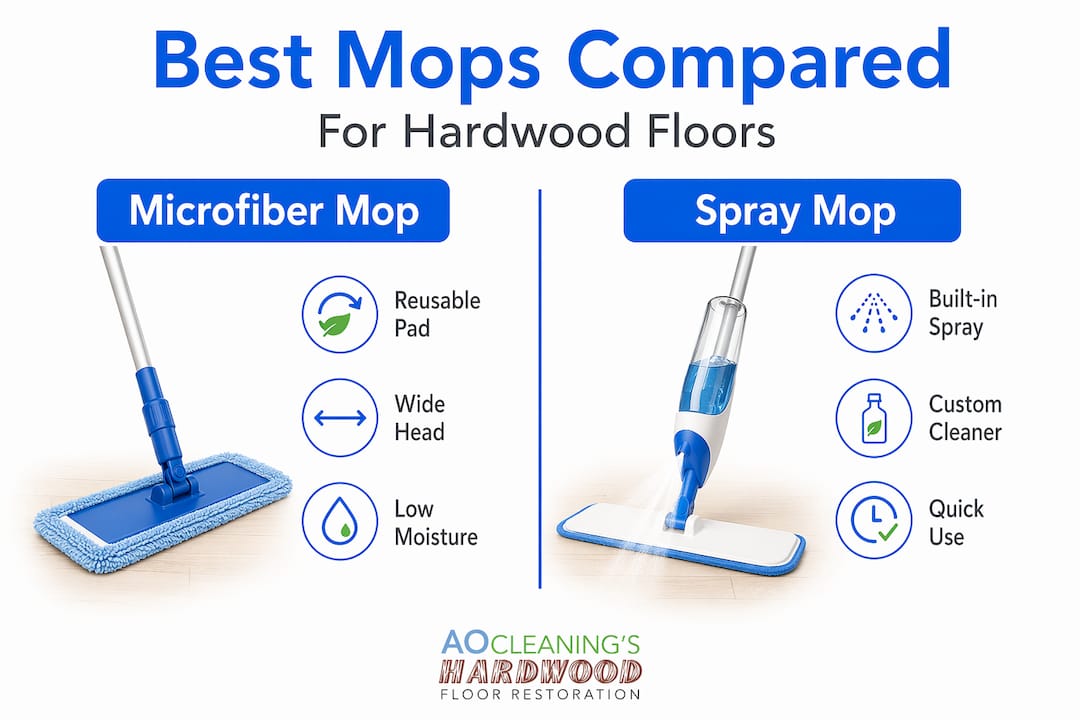
Pro Tip: Look for a spray mop that lets you load your own cleaner rather than a proprietary cartridge. This gives you full control over what goes on your floor.
Top-rated hardwood floor cleaners: performance and safety
Consumer Reports’ 2026 lab testing evaluated 12 cleaners specifically on dirt and grime removal on wood surfaces, recommending only those that manufacturers explicitly approve for hardwood. The results narrowed the field quickly.
Bona Hardwood Floor Cleaner
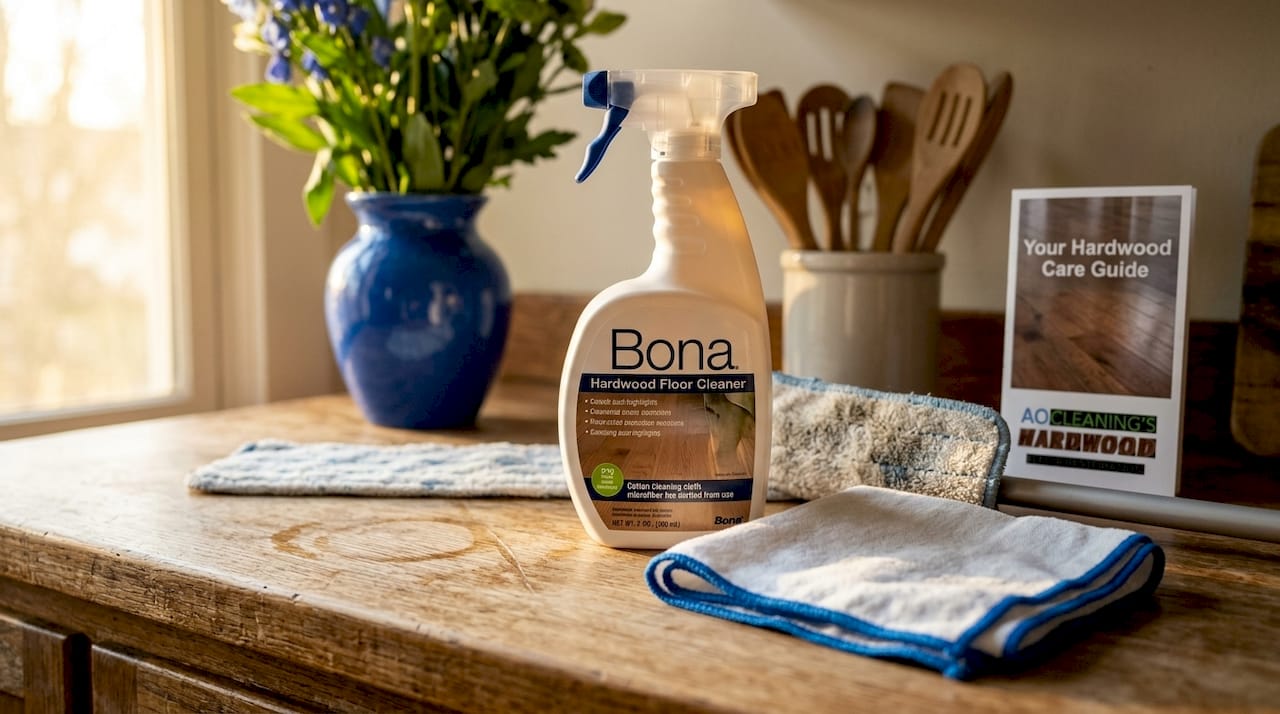
Bona is the standard other products get compared against, and for good reason. It’s pH-neutral, water-based, dries streak-free, and is engineered specifically for sealed hardwood floors. It won’t leave a waxy buildup, and it evaporates fast enough that moisture exposure is minimal when used correctly. The formula has been trusted for sealed hardwood and is available in both ready-to-use spray bottles and refillable concentrate formats. The concentrate option saves money over time and reduces plastic waste.
Multisurface cleaners approved for wood
Not every product has to be a dedicated hardwood cleaner. Some multisurface formulas work perfectly well on wood floors. The critical rule: label-checking for wood compatibility is non-negotiable. If the bottle doesn’t explicitly say it’s safe for wood or hardwood, assume it isn’t. Brand reputation alone doesn’t protect your finish.
Here’s a side-by-side look at how common product types compare:
Product type | pH-neutral | Streak-free | Safe for polyurethane | Requires diluting |
Dedicated hardwood cleaner (e.g., Bona) | Yes | Yes | Yes | Optional |
Certified multisurface cleaner | Usually | Usually | Check label | Sometimes |
Vinegar-based DIY mix | No | No | No | Yes |
General floor cleaner (unlabeled) | Varies | Varies | Unknown | Varies |
What the data says about DIY options:
DIY vinegar-based cleaners are widely circulated online but expert sources consistently warn that the acidity etches the finish with repeated use.
Lemon juice solutions carry the same risk. The short-term shine you get comes at the cost of finish integrity.
“Natural” doesn’t automatically mean “safe for hardwood.” Many natural ingredients are highly acidic or leave oily residues.
For homeowners who want a trusted option formulated specifically for wood, check out the guidance on hardwood floor cleaners that Aosaveswoodfloors has tested in real homes across the St. Louis metro area.
How to clean hardwood floors properly
Having the right product is only half the equation. How you apply it determines whether your floors stay beautiful or develop problems over time.
Start with a dry sweep. Use a soft-bristle broom or a microfiber dust mop to remove dirt and grit before any liquid touches the floor. Skipping this step turns wet cleaning into a scratching session because fine particles act like sandpaper under a mop.
Prepare your mop correctly. Spray your pH-neutral cleaner directly onto the mop pad or the floor in a small section. The mop should be damp, not dripping. If you can wring water out of it, it’s too wet.
Work in small sections. Don’t mop the whole room at once. Clean a 4-by-4-foot area, let it dry for 30 to 60 seconds, then move on. This prevents moisture from sitting on the wood.
Wipe in the direction of the grain. Mopping across the grain can push cleaning solution into the seams between boards. Following the grain keeps moisture out of the joints.
Address stains with targeted treatment. For sticky spots or stubborn stains, apply a small amount of cleaner directly to the spot and let it sit for 30 seconds before wiping. For tougher marks, resources on tough stain removal can walk you through targeted approaches without reaching for harsh chemicals.
Never use a steam mop. Steam drives moisture deep into the wood and can cause warping, cupping, and finish separation. Standing moisture causes warping regardless of how safe the cleaner itself is.
Recommended cleaning frequency:
Cleaning type | Frequency |
Dry dusting or sweeping | Daily or every other day |
Damp mopping with pH-neutral cleaner | Weekly or biweekly |
Deep clean or spot treatment | Monthly or as needed |
Pro Tip: After mopping, run a clean, dry microfiber pad over the floor to pick up any remaining moisture. It takes 30 seconds and significantly reduces the risk of water damage.
Common cleaning mistakes that damage hardwood floors
You can spend money on a quality product and still cause damage if the application is off. These are the mistakes that show up repeatedly, even in homes where the homeowner clearly cares about their floors.
Using too much water. The damp mop rule gets repeated everywhere because it gets ignored everywhere. A wet mop on hardwood isn’t just ineffective. It’s actively harmful.
Using acidic cleaners despite gentle-sounding labels. Words like “natural,” “plant-based,” or “green” on a label don’t mean the formula is pH-neutral. Always check the product’s listed pH or call the manufacturer if it isn’t disclosed.
Ignoring your floor’s finish type. Waxed floors and polyurethane-finished floors require different products. A cleaner safe for one can damage the other. If you’re unsure what finish you have, test a small hidden area and observe for 24 hours before committing.
Skipping the patch test. New product, new floor, or even a new batch of cleaner can behave differently. Testing in a closet or behind a door first costs you nothing and could save your floor.
Letting grit accumulate between cleanings. Dust, dirt, and sand tracked in from outside are abrasive. Skipping regular dry dusting means every step across your floor is grinding those particles into the finish.
Using wax-based products on polyurethane floors. The wax doesn’t bond properly and creates a cloudy buildup that gets progressively worse. Removing it later requires professional help.
For a deeper look at long-term maintenance habits, the floor maintenance guide from Aosaveswoodfloors covers the routines that keep floors looking professionally maintained between service visits.
My honest take on hardwood floor cleaning
I’ve seen floors that were cleaned every week with the wrong product and looked worse than floors that barely got touched. The product choice matters, but the technique is what separates floors that last decades from floors that need refinishing every few years.
Here’s what I’ve learned from watching how homeowners actually clean their floors versus how they think they’re cleaning them. The moisture problem is almost universal. People wring a mop until they think it’s damp, and it’s still holding far too much water. Controlling applied water is as critical as choosing the right cleaner. You can use the best pH-neutral formula on the market and still damage your floor if the mop is too wet every single time.
My skepticism about vinegar comes from the same place. I understand why homeowners reach for it. It’s cheap, it’s in every kitchen, and dozens of websites endorse it. But the finish-etching risk from acidic cleaners is real and cumulative. You won’t see the damage after the first cleaning. You’ll see it after the twentieth, and by then the finish is compromised.
My actual recommendation: invest in a genuine pH-neutral hardwood cleaner, pair it with a quality microfiber spray mop, and do a dry sweep before every wet clean. That combination, done consistently, beats any trending DIY solution.
— Jim
Protect your floors with the right products and professional care
Even the best daily cleaning routine has limits. If your floors have deep scratches, dullness that won’t respond to cleaning, or finish wear in high-traffic areas, no bottle of cleaner is going to fix that. That’s where Aosaveswoodfloors comes in.
With over 20 years serving homeowners across St. Louis, Columbia, Belleville, and surrounding communities, Aosaveswoodfloors has built its reputation on getting floors back to looking brand new without the cost or disruption of full replacement. Their screen and recoat service refreshes worn finishes with minimal downtime, and their full sand and refinishing handles the deeper damage that years of improper cleaning can cause. For ongoing home care, their AO Hardwood Neutral Cleaner is the pH-neutral, water-based option designed specifically for sealed hardwood, safe for everyday use. Before you consider replacing your floors, let Aosaveswoodfloors take a look first.
FAQ
What is the safest cleaner for hardwood floors?
A pH-neutral, water-based cleaner specifically formulated for sealed hardwood is your safest choice. Products like Bona Hardwood Floor Cleaner and the AO Hardwood Neutral Cleaner meet this standard without leaving residue or damaging polyurethane finishes.
Can I use vinegar to clean hardwood floors?
Experts strongly advise against it. Vinegar is acidic and etches hardwood finishes over time, causing dullness that builds up with repeated use. Stick to a dedicated pH-neutral cleaner instead.
What is the best mop for hardwood floors?
Microfiber flat mops and spray mop systems are the top choices because they use less water and lift grit effectively. Avoid string mops or sponge mops, which hold too much moisture for hardwood surfaces.
How often should you mop hardwood floors?
Dry dusting should happen daily or every other day. Damp mopping with a pH-neutral cleaner is typically appropriate once a week or every two weeks depending on foot traffic and household activity.
When do hardwood floors need professional care instead of cleaning?
When dullness, scratches, or finish wear don’t respond to proper cleaning, the floor likely needs a screen and recoat or refinishing service. Professional refinishing restores what no cleaning product can fix.
Recommended

Comments