


Hardwood Floor Maintenance Best Practices for Homeowners

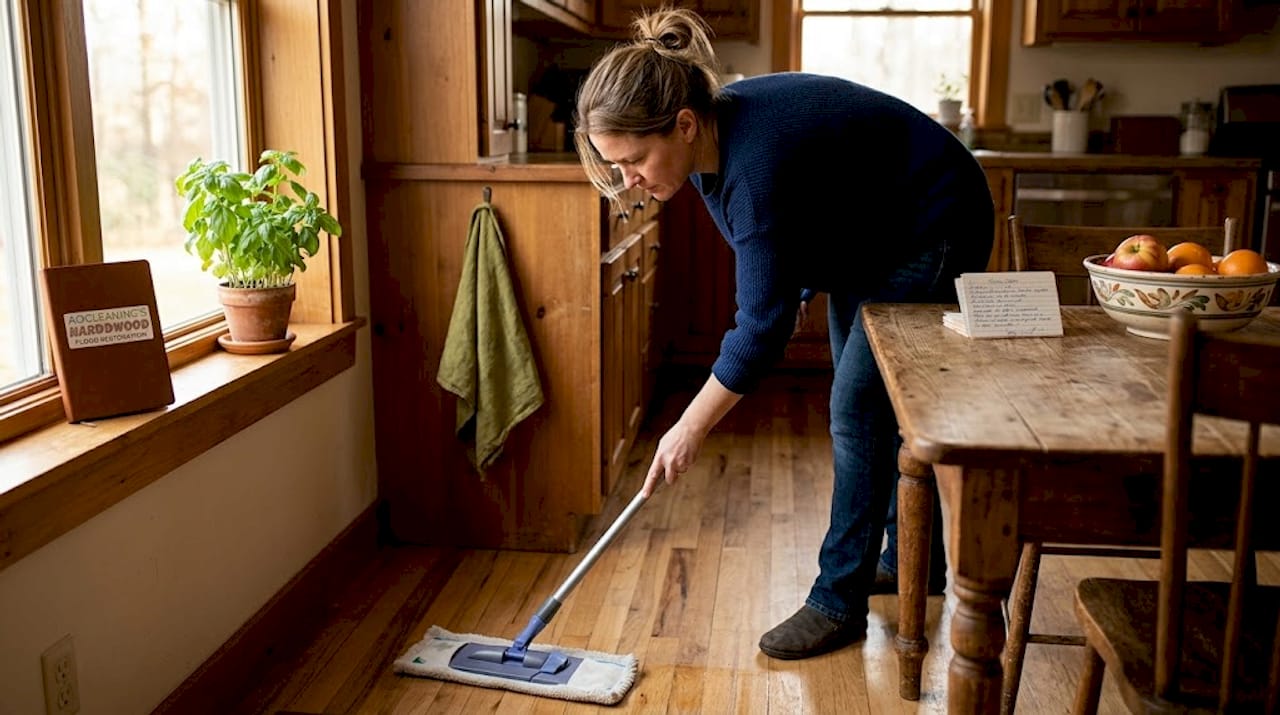
Hardwood floors are one of the most valuable features in any home, but they’re also one of the most misunderstood when it comes to care. Most floor damage doesn’t come from heavy use. It comes from the wrong cleaner, too much water, or skipping simple daily habits. Following hardwood floor maintenance best practices doesn’t require expensive equipment or hours of work. It requires knowing what actually works, what to avoid, and how to build a realistic routine around your home and lifestyle.
Table of Contents
Key takeaways
Point | Details |
Daily sweeping prevents scratches | Removing grit and dust every day stops abrasive particles from grinding into your finish. |
Moisture is your floor’s biggest enemy | Damp mopping means nearly dry, not wet; steam mops cause serious long-term damage. |
Product selection matters | Use only pH-neutral, hardwood-specific cleaners and avoid ammonia, oil soaps, and harsh chemicals. |
Humidity control protects wood year-round | Keeping indoor humidity between 35 and 55 percent prevents gaps, cupping, and warping. |
Prevention beats repair | Felt pads, rugs, and a no-shoes policy reduce wear faster than any cleaning product can fix it. |
1. Build a daily and weekly cleaning schedule you’ll actually follow
The best hardwood floor cleaning tips are the ones you use consistently. A realistic schedule beats a perfect one you abandon after two weeks.
Daily, your goal is simple: remove loose grit before it gets ground into the finish. Experts recommend sweeping or dry dust mopping every few days at minimum, and daily in high-traffic areas. A microfiber dust mop is the right tool here. It traps particles instead of pushing them around the way a broom does.
Weekly, vacuum with a soft-floor attachment or a vacuum set to the hard floor mode. Beater bars scratch finishes, so turn that feature off. Follow vacuuming with a damp mop using a microfiber spray mop and a hardwood-specific cleaner. Damp means nearly dry. You should not see water sitting on the floor after you pass the mop over it.
Pro Tip: Keep a spray bottle of hardwood cleaner and a small microfiber cloth near the kitchen or entryway. Spot cleaning spills in under a minute is far easier than dealing with finish dullness later.
Spills deserve immediate attention. Blot wet spills right away with an absorbent cloth, then spot clean with a lightly dampened towel and dry the area completely. Letting moisture sit, even briefly, dulls the finish and attracts dirt into the softened surface.
2. Understand what “damp mopping” actually means
This is where most homeowners go wrong. Damp mopping does not mean a wet mop wrung out halfway. It means a mop wrung out until it feels almost dry to the touch.
Moisture control during cleaning is one of the most critical factors in how long your finish lasts. Work in small sections, mop a section, and let it air dry before moving furniture back. If you can see a wet sheen lingering for more than a few seconds, your mop is too wet.
Never use a steam mop on hardwood. Steam mops force moisture directly into the wood grain and finish, causing warping, swelling, and finish separation over time. The damage is often irreversible without a full sand and refinish.
3. Choose the right cleaning products and tools
Not all cleaners are created equal, and the wrong one can strip your finish faster than foot traffic ever would. Here is what to look for and what to avoid.
Safe choices:
pH-neutral, hardwood-specific cleaners
Products certified by EPA Safer Choice that exclude formaldehyde, ammonia, petroleum, phosphates, and phthalates
Microfiber mop pads and cloths
Soft-bristle vacuum attachments
Products and tools to avoid:
Oil soaps (they leave residue that builds up and dulls the finish)
Ammonia-based cleaners
Abrasive scrub pads
String mops (they hold too much water)
Vinegar (it is acidic and degrades polyurethane over time)
Microfiber mops lift grime with significantly less water than traditional string mops, which makes them the better choice for protecting your finish over the long term. If you want a product recommendation you can trust, Aosaveswoodfloors offers their own pH-neutral hardwood cleaner formulated specifically for finished wood floors.
Pro Tip: Before using any new cleaner, test it in a low-traffic, inconspicuous spot like inside a closet. Wait 24 hours and check for dullness, stickiness, or discoloration before applying it to your main floor.
4. Know your finish type and care for it accordingly
Caring for a polyurethane-finished floor and an oil-finished floor are not the same thing. Using the wrong approach for your finish type is one of the most common mistakes homeowners make.
Polyurethane floors tolerate buffing and polish and can be refreshed with a screen and recoat when the finish starts to look worn. Oil-finished floors require specialized cleaners and periodic re-oiling to maintain their durability and depth of color. Using a polyurethane cleaner on an oil finish can strip the oil and leave the wood unprotected.
If you are not sure what finish you have, check with the installer or do a simple water drop test. A bead of water that sits on the surface means a surface finish like polyurethane. Water that absorbs quickly suggests an oil or wax finish. You can also explore different hardwood floor finishes to understand the specific care requirements for each type.
5. Add monthly and seasonal maintenance to your routine
Daily and weekly cleaning handles surface grime. Monthly and seasonal tasks handle the deeper issues that accumulate over time.

Monthly, do a more thorough clean of corners, under furniture edges, and transition areas where grit collects. Check for early signs of finish wear, small scratches, or areas that look dull compared to the rest of the floor.
Quarterly or annually, depending on traffic and finish type:
Polish polyurethane floors to restore sheen and add a thin protective layer
Re-oil high-traffic areas on oil-finished floors to maintain protection
Inspect for gaps between boards, which signal humidity problems
Consider a professional clean and buff to remove buildup and restore clarity
Seasonal humidity changes are the hidden force behind most structural wood floor problems. Keeping indoor humidity between 35 and 55 percent year-round minimizes the expansion and contraction that causes gaps, cupping, and squeaking. Use a hygrometer to monitor your home. In winter, a humidifier helps. In summer, air conditioning and dehumidifiers do the work.
Pro Tip: Small seasonal gaps between boards are normal and usually close on their own when humidity stabilizes. Gaps that persist or widen after humidity is corrected may need professional attention.
Season | Primary concern | Recommended action |
Winter | Low humidity, gaps | Run a humidifier, target 40 to 50 percent |
Spring | Moisture from cleaning | Use minimal water, increase ventilation |
Summer | High humidity, cupping | Run AC or dehumidifier |
Fall | Debris and tracked-in grit | Add entryway mats, increase sweep frequency |
6. Prevent damage before it starts
The best ways to care for hardwood floors involve stopping damage before it happens. Reactive care is always more expensive than preventative habits.
A few changes make a significant difference:
Place felt pads under all furniture legs, including chairs that move frequently. Rugs and felt pads protect against the scratches and dents that come from everyday furniture movement.
Use area rugs in high-traffic zones like hallways, in front of the sink, and at the base of stairs.
Implement a no-shoes policy at the door. Shoes track in abrasive grit that grinds into the finish with every step.
Manage sun exposure. UV light fades and discolors wood over time. Use curtains or UV-filtering window film in rooms with direct sun exposure.
Trim pet nails regularly. Pet nails are one of the leading causes of fine scratches across the floor surface.
For minor scuffs, a small amount of hardwood cleaner on a microfiber cloth often removes them without any product. For light scratches that catch the light, a touch-up marker or wood filler crayon matched to your floor color can minimize visibility between professional maintenance visits. You can find more homeowner tips between services on the Aosaveswoodfloors blog.
7. Recognize when professional service is the right call
Home maintenance routines extend the life of your floors significantly, but they cannot reverse finish wear, deep scratches, or structural damage. Knowing when to call a professional saves you from over-maintaining a floor that needs real attention.
Signs it is time for professional service:
The finish looks consistently dull even right after cleaning
You see gray or black discoloration (a sign moisture has penetrated the finish)
Scratches are visible from standing height
The floor feels rough underfoot in high-traffic areas
A clean and buff service is the right starting point for floors that look dull but are not deeply damaged. A screen and recoat adds a fresh layer of finish without sanding. Full sand and refinishing is reserved for floors with deep damage or finish failure. Understanding when to buff, screen, or refinish helps you make the right call without overspending.
My take on why gentle and consistent beats aggressive and occasional
I have been working with hardwood floors for over two decades, and the pattern I see most often is homeowners who do very little for a long time and then try to fix everything at once with a harsh product or aggressive scrubbing. It almost never works out the way they hope.
What I have learned is that the greatest threat to hardwood floors is not heavy use. It is the accumulation of small mistakes. A mop that is too wet used twice a week for a year does more damage than a dropped pot. The wrong cleaner used monthly for two years strips more finish than a year of normal foot traffic.
The homeowners whose floors look the best after ten or fifteen years are not the ones who spent the most money on products. They are the ones who swept consistently, kept their humidity stable, and called for professional maintenance before the damage became serious. Consistent, gentle care is genuinely the most cost-effective approach I know of. It is also the least complicated once the habits are in place.
— Jim
When your floors need more than a mop and a good cleaner
Even the most disciplined home maintenance routine has a ceiling. At some point, your floors need professional attention to look their best again.
Aosaveswoodfloors has been restoring hardwood floors across central Illinois and the St. Louis metro area since 2003. Whether your floors need a screen and recoat to refresh a worn finish, a full sand and refinishing to address deeper damage, or a clean and buff to bring back the shine, the team at Aosaveswoodfloors completes most jobs in a single day using dustless techniques and eco-friendly products. Before you decide to replace your floors, give them a call. Their tagline says it best: “Before you REFLOOR it, let us RESTORE it.”
FAQ
How often should you clean hardwood floors?
Sweep or dry dust mop daily in high-traffic areas and at least every few days elsewhere. Damp mop weekly using a hardwood-specific cleaner and a nearly dry microfiber mop.
Can you use a steam mop on hardwood floors?
No. Steam mops force moisture into the wood grain and finish, causing warping and finish separation that often requires full refinishing to repair.
What humidity level is safe for hardwood floors?
Keep indoor relative humidity between 35 and 55 percent year-round. Outside that range, wood expands and contracts enough to cause gaps, cupping, and structural damage.
What cleaning products are safe for hardwood floors?
Use pH-neutral, hardwood-specific cleaners that are free of ammonia, formaldehyde, oil soaps, and vinegar. Look for EPA Safer Choice certification when selecting a product.
How do you prevent scratches on hardwood floors?
Place felt pads under all furniture legs, use area rugs in high-traffic zones, implement a no-shoes policy at the door, and trim pet nails regularly to minimize abrasive contact with the finish.
Recommended
7 Pro Tips for Maintaining Your Hardwood Floors Between Professional Services
The Homeowner’s Guide to Hardwood Floor Maintenance Between Professional Refinishing
Keep Your Hardwood Floors Looking Their Best with AO’s Hardwood Neutral Cleaner
Understanding Different Hardwood Floor Finishes: Pros, Cons, and Best Applications

Comments