


Hardwood Floor Refinishing Investment Benefits Explained

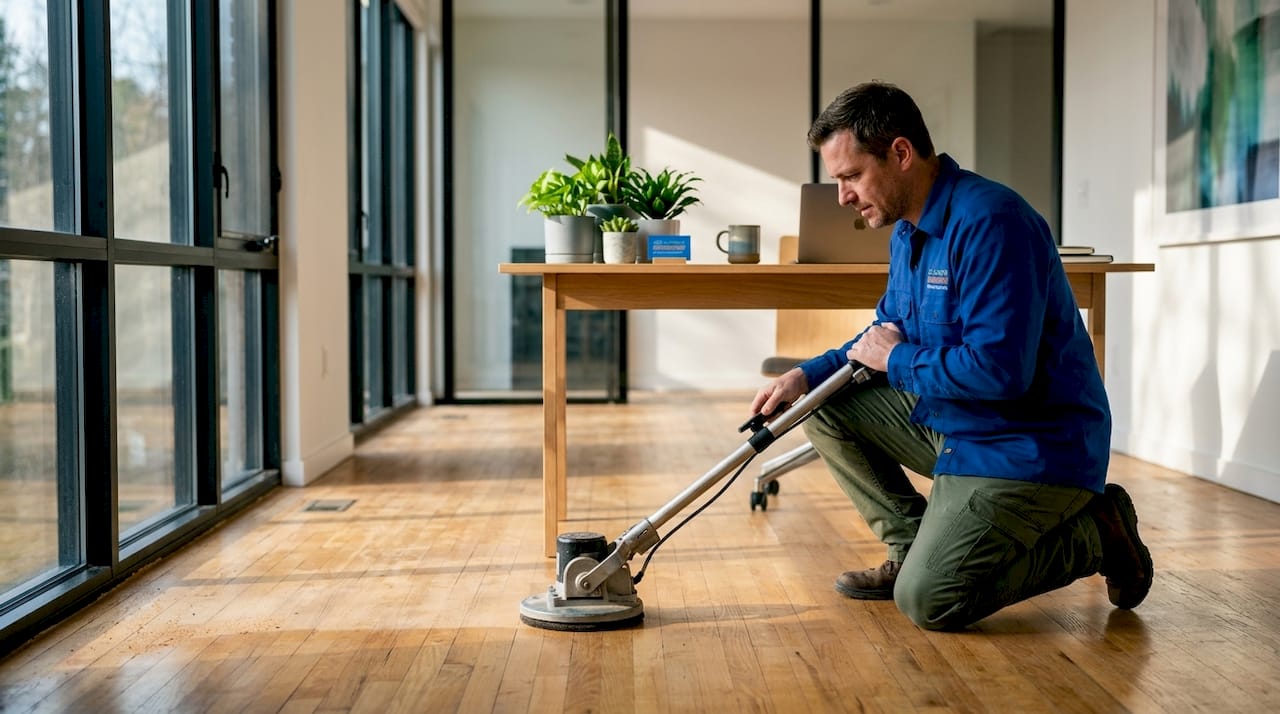
Your floors are dull, scratched, and you’re staring at flooring company estimates that make your stomach drop. Before you commit to a full replacement, you need to understand the hardwood floor refinishing investment benefits that most contractors won’t bother explaining. Refinishing isn’t just a cosmetic fix. It’s one of the most financially strategic home improvements you can make, delivering returns that outperform many kitchen and bathroom upgrades. This article breaks down exactly why, with real numbers and the situational guidance you need to make the right call.
Table of Contents
Key takeaways
Point | Details |
Refinishing beats replacement costs | Refinishing runs $3 to $8 per sq ft versus $8 to $15 for new installation, saving thousands upfront. |
ROI exceeds new hardwood | Refinishing delivers an estimated 147% ROI, compared to roughly 118% for new hardwood installation. |
Floors gain resale value | Homes with refinished hardwood floors sell for an average of $5,000 more and move faster. |
Multiple refinishing cycles possible | Most solid hardwood floors can be refinished 3 to 5 times, extending their lifespan by decades. |
Method choice affects total cost | Screening costs half as much as full sanding and is appropriate for lightly worn floors. |
1. How refinishing saves you serious money upfront
The cost gap between refinishing and replacement is larger than most homeowners expect. Professional refinishing runs $3 to $8 per square foot, while new hardwood installation typically costs $8 to $15 per square foot. On a standard 500 square foot living area, that translates to $1,500 to $4,000 for refinishing versus $4,000 to $7,500 for replacement. That difference funds a family vacation, an emergency fund top-up, or the kitchen upgrade you’ve been delaying.
The savings go beyond the per-square-foot number. Replacement projects carry hidden costs that rarely appear in the initial quote:
Demolition and disposal fees for the old flooring
Subfloor repair or leveling, which often surfaces once the old material is removed
Extended project timelines that force you out of rooms for days
Furniture moving, storage, and reinstallation of baseboards or transitions
Refinishing skips all of that. Your existing floor stays in place. The prep work is minimal compared to a full tear-out, and reputable companies using dustless systems can have you walking on your floors again within hours.
Pro Tip: Skipping a stain color change during refinishing is one of the fastest ways to reduce your total cost. Matching your existing color cuts labor time and product costs significantly.
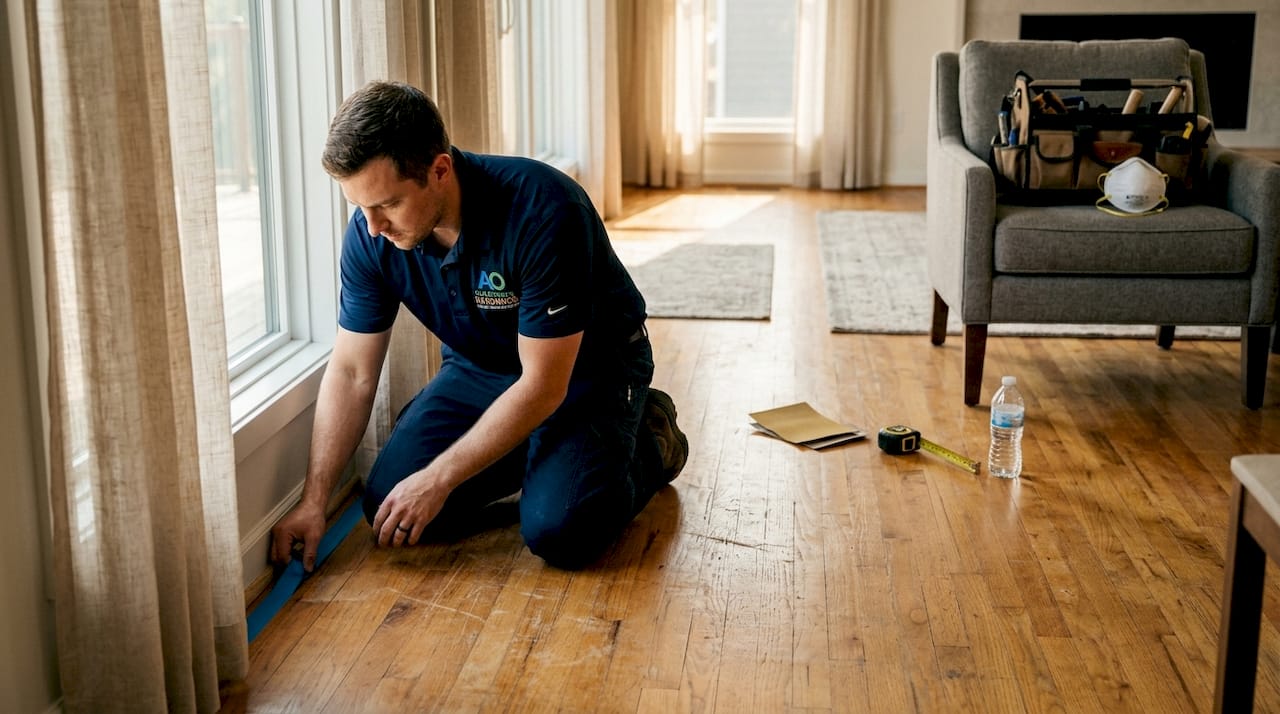
The cost-effective floor restoration case gets even stronger at scale. Larger homes benefit from economies of scale with professional contractors, meaning cost per square foot often drops for projects over 1,000 square feet. If you have 1,500 square feet of hardwood, the savings compared to replacement can easily exceed $10,000.
2. The ROI numbers that make refinishing a smart investment
Here’s where the value of refinishing hardwood really stands out. Refinishing delivers an estimated 147% return on investment, meaning you recover more than your full cost in added home value. New hardwood installation, by comparison, recovers around 118%. You’re paying more for new floors and getting less back. That’s not a smart trade on any spreadsheet.
“Refinishing hardwood floors is one of the highest-ROI interior home improvement projects, often outperforming kitchen and bathroom upgrades.” — Industry analysis via FCNews
The buyer side of this equation is equally compelling. The National Association of Realtors reports that homes with refinished hardwood sell for $5,000 more on average than comparable homes without them. Beyond price, those homes tend to sell faster. In a competitive market, speed matters as much as price. Every week a home sits on the market is a week of carrying costs: mortgage, utilities, and maintenance.
Buyers respond emotionally and financially to hardwood floors. They read refinished floors as a signal that a home has been cared for. That perception influences offers. Homes with hardwood floors can sell 2.5% to 5% higher than comparable homes without them, depending on local market conditions.
If you’re planning to sell within two to five years, the benefits of wood floor investment become even clearer. You spend $2,000 to $3,000 on refinishing, recover that cost plus profit in your sale price, and your home spends fewer days on the market. Few pre-sale investments deliver that combination.
3. Longevity and lifecycle benefits that compound over time
One of the most underappreciated advantages of hardwood refinishing is how dramatically it extends the life of your floor. Most hardwood floors can be refinished 3 to 5 times over their lifespan, provided the boards maintain adequate wear layer thickness (approximately 3/4 inch). A floor installed in the 1970s can still be restored to like-new condition today, which is a statement you simply cannot make about carpet, vinyl, or laminate.
Compare the lifecycle realities directly:
Carpet requires replacement every 10 to 15 years, generates significant waste, and holds allergens that affect indoor air quality
Laminate cannot be refinished at all. Once it wears through, it goes to the landfill
Vinyl plank has improved durability but still lacks the refinishing potential that gives hardwood its superior lifecycle value
Hardwood, refinished properly at the right intervals, can outlast every other flooring type by decades
Beyond durability, refinishing gives you design flexibility without replacement costs. Want to go from golden oak to a cooler gray tone? Or strip old polyurethane and apply a matte finish? A full sand and refinish handles both without touching a single board. You get a completely updated look at a fraction of what new floors would cost.
Pro Tip: The ideal conditions for refinishing are 65 to 75°F with low humidity. Finishing in the wrong season can cause finish failure or surface unevenness. Fall and spring are generally the most reliable seasons for lasting results.
Proper maintenance between refinishing cycles also matters enormously. Sweeping regularly, using the right cleaning products, and placing felt pads under furniture legs can add years to a freshly refinished floor before it needs professional attention again.
4. Comparing your refinishing options before you commit
Not every refinishing job is the same, and confusing screening with full sanding is one of the most common and costly mistakes homeowners make. Understanding the difference protects your budget and your floor.
Method | Cost per sq ft | Timeline | Best for | Dust level |
Screening (buff-and-coat) | $1.50 to $3.00 | 1 day | Light wear, surface scuffs | Minimal |
Full sand and refinish | $3.00 to $8.00 | 3 to 5 days | Deep scratches, stains, color change | Higher (dustless tech reduces this) |
Screening is a light abrasion of the existing finish followed by a new coat. It’s faster, cheaper, and produces almost no dust. It’s the right call for floors that have surface-level wear but still have a structurally sound finish underneath. If your floor looks dull and has minor scuffs but no deep gouges, screening may be all you need.
Full sanding strips everything down to bare wood. It handles deep scratches, water stains, uneven color, and old wax buildup. It’s also what you need if you want to change your floor’s color or apply a new finish type entirely.
On the DIY versus professional question: the true cost of DIY refinishing is almost always higher than homeowners expect once you factor in equipment rental, product waste, and the risk of sanding unevenly. An uneven sand job can permanently damage your floor, reducing the number of future refinishing cycles available. Professionals bring calibrated equipment, product knowledge, and accountability that’s difficult to replicate on a weekend.
5. Situations where refinishing makes the most financial sense
Not every floor is a great candidate for refinishing, but more floors qualify than homeowners realize. Here are the situations where the financial case is strongest:
Hidden hardwood under carpet. Older homes frequently have solid hardwood beneath carpet installed in the 1970s or 1980s. Pulling up the carpet and refinishing that floor is often less expensive than new flooring and produces a result that adds significant value.
Pre-sale preparation. Refinishing before listing is one of the highest-return pre-sale investments you can make. Buyers notice floors immediately, and worn hardwood signals deferred maintenance.
Worn but structurally sound floors. Surface damage, fading, and minor scratches don’t require replacement. A professional inspection confirms whether refinishing is viable before you spend a dollar.
Budget-conscious updates. If you want to change your home’s look without a full renovation budget, refinishing a floor to a new stain color delivers dramatic visual impact for relatively modest cost.
High-traffic family homes. Hardwood floor refinishing family home benefits are particularly clear in houses with kids and pets. Refinishing resets the clock on years of wear rather than accepting it as permanent damage.
The most important step before committing is a professional floor assessment. A qualified contractor can tell you whether your boards have enough thickness remaining for another sand cycle, identify any structural issues, and recommend the most cost-effective treatment. That conversation costs nothing and can save you from either overspending on replacement or undertreating a floor that needed more than a buff-and-coat.
My honest take after years of watching homeowners get this wrong
I’ve talked to hundreds of homeowners who called us after they’d already made a decision they regretted. Either they replaced floors that could have been restored for a third of the price, or they tried to DIY a refinish and burned through their wood’s wear layer unevenly. Both outcomes are painful to see.
The hardwood floor refinishing investment benefits are real and well-documented, but they only materialize when you match the treatment to the floor’s actual condition. I’ve seen beautiful original oak floors from the 1940s that needed nothing more than a screen and recoat. I’ve also seen floors that looked rough but had plenty of wear layer left for a full sand. In both cases, the homeowner’s instinct was to replace, and in both cases, that would have been the wrong call.
What I’ve learned is that the biggest mistake isn’t choosing the wrong method. It’s making the decision based on appearance alone without getting a professional assessment first. Floors are not as fragile as they look when they’re worn. In most cases, what looks damaged is just cosmetic. And cosmetic damage is exactly what refinishing is designed to fix.
My advice: treat your hardwood floor as a long-term asset, not a consumable. Every time you refinish instead of replace, you’re making a financially sound decision that also keeps material out of a landfill. That’s a good outcome on every level.
— Jim
Ready to find out what your floors are actually worth restoring?
If you’ve been calculating the cost of replacement and dreading the number, there’s a good chance your floors don’t need it. Aosaveswoodfloors has been restoring hardwood floors across central Illinois and the St. Louis metro area since 2003, with over 450 Google reviews from homeowners who made the same call you’re considering.
Whether your floors need a full sand and refinishing or a lighter screen and recoat treatment, Aosaveswoodfloors uses dustless techniques and eco-friendly products on every job. Most services are completed in a single day. Their screen and recoat service is one of the most cost-effective ways to extend your floor’s life before it needs a full sand. Call them before you make any flooring decision. Before you refloor it, let them restore it.
FAQ
Is hardwood floor refinishing worth it financially?
Yes. Refinishing delivers an estimated 147% ROI and costs 50 to 70% less than new installation, making it one of the strongest-returning home improvements available.
How many times can hardwood floors be refinished?
Most solid hardwood floors can be refinished 3 to 5 times, depending on board thickness. Engineered hardwood has fewer cycles available based on its thinner wear layer.
What’s the difference between screening and full sanding?
Screening (buff-and-coat) costs $1.50 to $3.00 per square foot and works on lightly worn floors, while full sanding costs $3 to $8 and is required for deep damage or color changes.
Does refinishing hardwood floors increase home sale price?
Yes. NAR data shows homes with refinished hardwood sell for $5,000 more on average and tend to close faster than comparable homes with worn or carpeted floors.
When is the best time of year to refinish hardwood floors?
Fall and spring are ideal. Finishing between 65 and 75°F with low humidity produces the most durable cure and reduces the risk of surface defects.
Recommended
The True Cost of DIY vs. Professional Hardwood Floor Refinishing
How to Refurbish Your Hardwood Floor Without Sanding: A Professional Guide
Everything You Need to Know About Hardwood Floor Refinishing: Your Top 10 Questions Answered
Understanding Different Hardwood Floor Finishes: Pros, Cons, and Best Applications

Comments