


Is Murphy's Oil Soap Safe for Pets? What You Need to Know
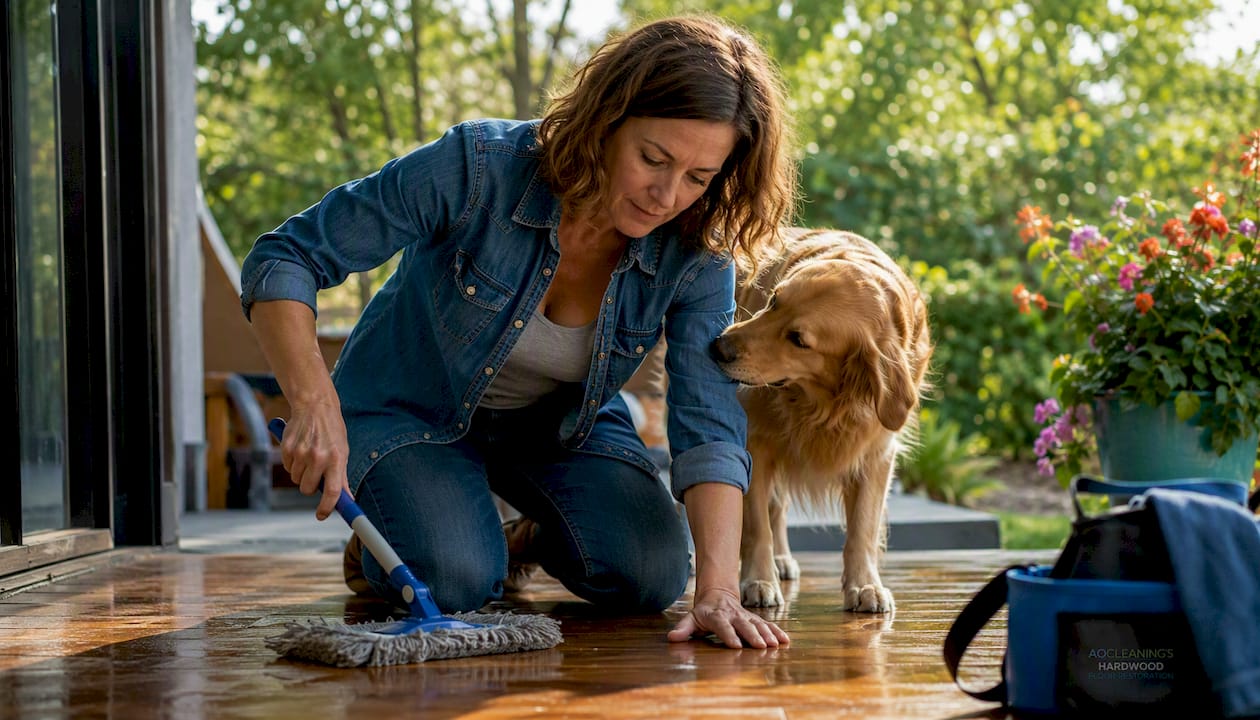
Murphy’s Oil Soap is generally safe to use around pets when applied correctly on finished hardwood floors and allowed to dry completely before animals return to the area. That’s the short answer, and it comes straight from manufacturer guidance and veterinary sources alike. The critical caveat: a pet that walks across a wet floor and then licks its paws can ingest enough soap to cause stomach upset. Keep animals out of the room until the surface is fully dry, follow the label’s dilution instructions, and you’ve addressed the biggest risk.
If your pet has already been exposed to Murphy’s Oil Soap and is showing symptoms, contact the ASPCA Poison Control Center at (888) 426-4435 or your veterinarian immediately. Don’t wait to see if symptoms resolve on their own.
For most dogs in a well-ventilated home, a properly diluted and dried application poses minimal risk. Cats, birds, and small mammals are more sensitive and deserve extra caution, which the sections below cover in detail.
Table of Contents
Is Murphy’s Oil Soap safe for pets? Understanding the formula
Murphy’s Oil Soap is a vegetable-oil–based cleaner formulated for finished wood surfaces. Its Original Formula contains a surfactant blend, fragrance, and a soap base derived from plant oils. That sounds harmless, but even natural vegetable-oil soaps can contain fragrance allergens and additives that irritate sensitive animals, and “natural” does not mean safe for every species.
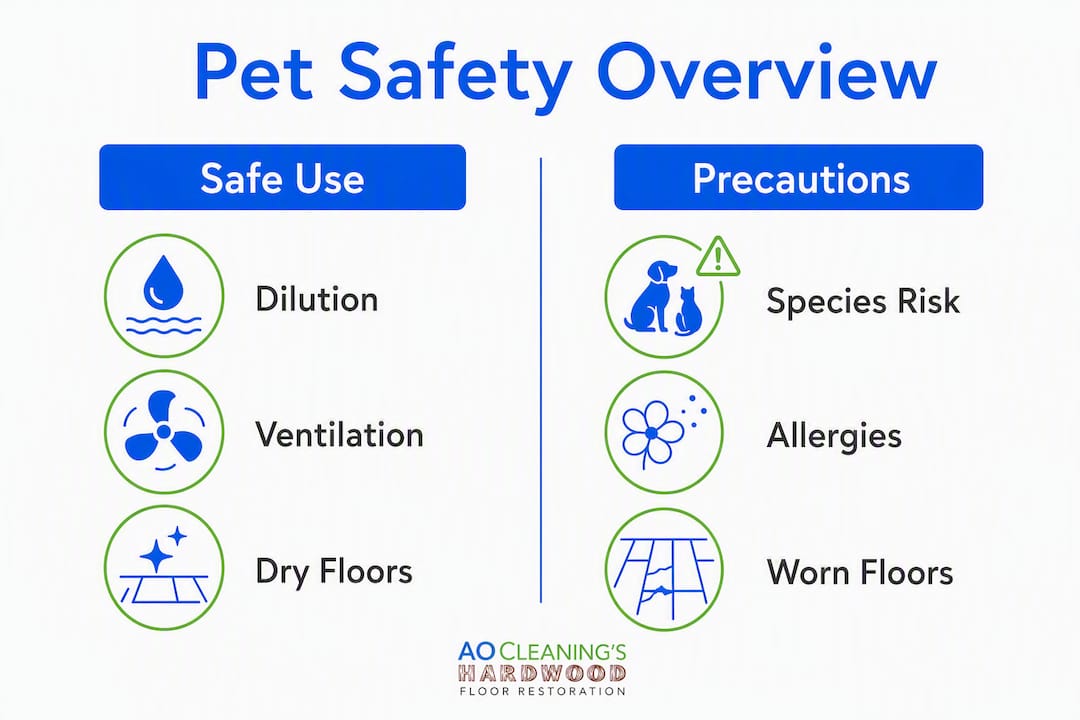
Here’s what matters most for Murphy Oil Soap pet safety:
Fragrance ingredients are the biggest variable. Cats lack the liver enzymes to metabolize many aromatic compounds efficiently, which makes them more vulnerable to fragrance-related irritation than dogs.
Surfactants at label-dilution levels are low-concentration and generally well-tolerated, but concentrated product is a different story.
The floor’s finish changes the equation. On a properly sealed hardwood floor, the cleaner sits on the surface and evaporates. On an unsealed, waxed, or compromised finish, it can soak into the wood and leave a residue that lingers far longer.
Birds and small mammals (rabbits, guinea pigs, ferrets) have respiratory systems sensitive enough that even mild fragrance exposure in a poorly ventilated room can cause distress.
Pro Tip: Before using Murphy’s Oil Soap anywhere in your home, test a small hidden spot on the floor. If the surface absorbs the liquid rather than letting it bead, your finish may be compromised. That changes both the cleaning outcome and the residue risk for your pets.
How to use Murphy’s Oil Soap safely around your pets
Follow these steps every time you clean floors in a home with animals.
Move pets out of the room first. Close the door or use a baby gate. Don’t rely on pets staying away on their own.
Check the floor’s finish. Drop a few water droplets on the surface. If they bead up, the finish is intact. If they soak in, stop and read the professional-help section below before proceeding.
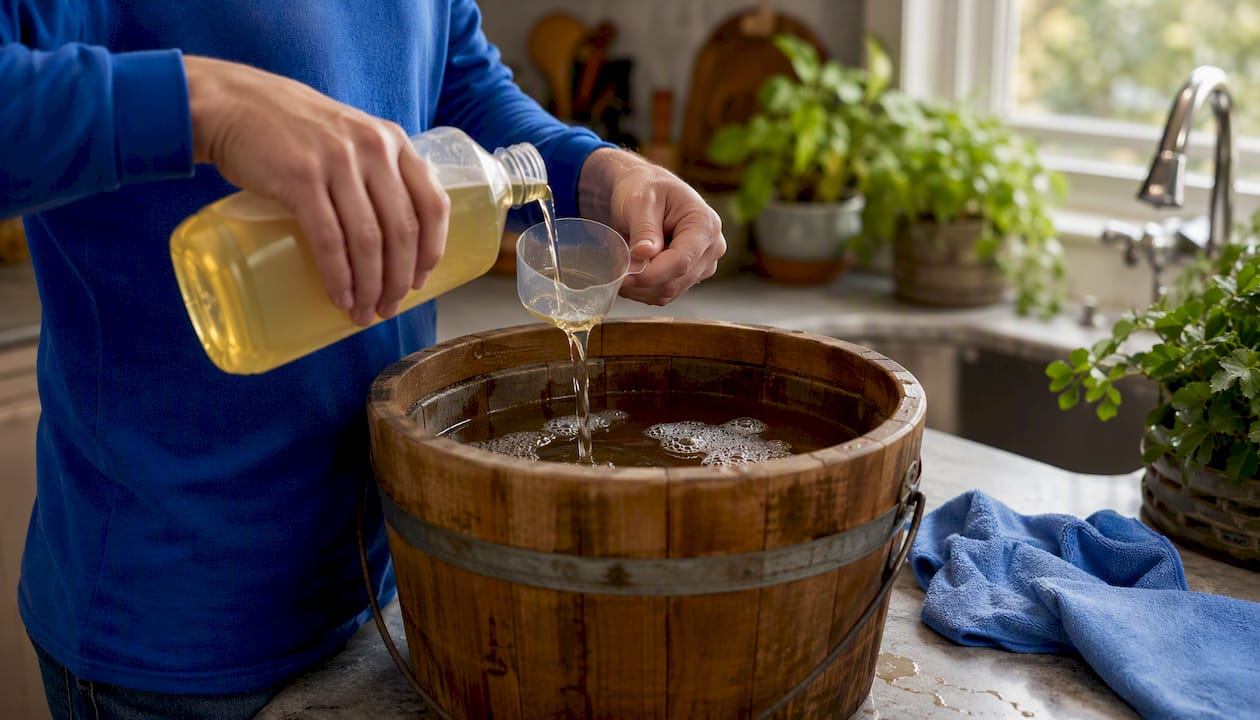
Read the label and SDS. Murphy’s Oil Soap’s safety data sheet confirms that the product can cause skin and eye irritation and that ingestion may cause nausea, vomiting, or diarrhea. The label dilution is typically ¼ cup per gallon of water for floor cleaning. Never use it undiluted.
Apply with a damp mop, not a soaking one. Excess liquid increases dry time and the chance of residue pooling in floor gaps.
Ventilate the room. Open windows or run a fan. This speeds drying and reduces fragrance concentration in the air, which matters for birds and pets with respiratory sensitivities.
Wipe up any excess. If you see standing liquid, go over the floor with a dry cloth or mop. Residue in corners or along baseboards is exactly where curious pets investigate.
Wait until the floor is fully dry before letting pets back in. In a well-ventilated room, that’s typically about 30 minutes. In humid conditions or a closed room, allow plenty of extra time for the surface to dry completely before letting pets back in.
Store the product out of reach. A bottle knocked off a low shelf is a direct ingestion risk.
On the rinsing question: Murphy’s Oil Soap is marketed as a no-rinse cleaner, and at proper dilution on a sealed floor, a rinse isn’t strictly necessary. If you have a cat that licks floors, a bird in the home, or a pet with known sensitivities, a light rinse with clean water and a dry pass with a mop is a reasonable extra step.
Pro Tip: If anyone in your household has a pet with asthma, allergies, or a known respiratory condition, consider switching to a fragrance-free, pH-neutral hardwood cleaner entirely. The family-safe cleaning guidance for homes with kids and pets recommends low-odor options as the default when sensitive individuals are present.
What symptoms look like and what to do immediately
Most reported incidents involve a pet licking a wet floor or getting into the bottle directly. The result is usually mild, but you need to know what to watch for.
Signs of ingestion:
Vomiting or retching
Diarrhea
Excessive drooling or lip-licking
Loss of appetite
Signs of skin or paw contact:
Redness, itching, or pawing at the face
Excessive licking of paws after walking on a treated surface
Signs of respiratory irritation (especially cats and birds):
Coughing, wheezing, or labored breathing
Watery eyes or nasal discharge
Unusual lethargy after exposure in a closed room
Veterinarians advise that if symptoms appear, you should remove the pet from the area, rinse any product off skin or paws with plain water, and call your vet. Don’t induce vomiting unless a professional specifically tells you to.
Emergency contacts to have saved:
ASPCA Animal Poison Control Center: (888) 426-4435 (fee may apply)
Pet Poison Helpline: (855) 764-7661 (fee may apply)
Your regular veterinarian’s after-hours line
When you call, have the product name, the approximate amount your pet may have ingested or contacted, your pet’s weight, and the time of exposure ready. That information helps the vet or poison-control specialist respond faster.
Pet-safer alternatives for cleaning floors and surfaces
If you have a cat, a bird, or a pet with known sensitivities, there are lower-risk options worth knowing.
Plain warm water with a well-wrung mop handles light dust and surface grime on sealed hardwood without any chemical residue. For routine maintenance between deeper cleans, it’s often enough.
Fragrance-free, pH-neutral hardwood floor cleaners are the safest category for pet households. Look for labels that say “fragrance-free” (not just “unscented,” which can still contain masking fragrances) and confirm the product is formulated for finished hardwood.
Diluted mild Castile soap (a few drops in a gallon of water) is a lower-fragrance option, though you should still rinse and dry thoroughly. Check that the specific formula you choose is fragrance-free.
AO’s Hardwood Neutral Cleaner is a pH-balanced option designed for finished hardwood. The AO Hardwood Neutral Cleaner page covers how it’s formulated to clean without leaving residue that pets could contact.
What to avoid entirely:
Undiluted essential oils or oil-based cleaners (tea tree oil is toxic to cats and dogs)
Ammonia-based cleaners (the smell alone can cause respiratory irritation)
Strong degreasers or multi-surface disinfectants not formulated for pets
Steam mops on compromised finishes, which can open wood grain and trap residue
Pro Tip: When shopping for a labeled “pet-friendly” cleaner, look for third-party certifications like MadeSafe or Leaping Bunny alongside the fragrance-free claim. A product that is both certified and fragrance-free gives you two independent checks rather than just a marketing label. The best cleaning products for hardwood floors guide covers specific options worth considering.
When should you call a hardwood floor professional instead?
DIY cleaning works fine when your floor’s finish is intact and your pets are healthy. Several situations shift the math toward calling a pro.
Your finish is compromised. Water soaks in instead of beading, the floor looks blotchy, or you see white haze after mopping. A damaged finish means any liquid cleaner can penetrate the wood, leave residue in the grain, and create a surface pets will lick repeatedly.
You have persistent odor or residue. If the floor feels tacky or smells like cleaner days after mopping, residue is present. That’s a licking hazard for dogs and cats.
You have a highly sensitive pet. A bird, a cat with liver disease, or a dog with known chemical sensitivities warrants a more controlled approach than DIY mopping allows.
You’re dealing with heavy soiling or staining that requires stronger products. Reaching for a concentrated cleaner to tackle a tough stain is exactly when dilution errors happen.
Professional hardwood restoration removes the residue risk entirely. Dustless floor sanding eliminates airborne particles that settle on pet bedding and water bowls. Eco-friendly refinishing products used by professionals like Aosaveswoodfloors cure quickly, meaning floors are ready for pets in hours rather than days. The floor cleaning vs. restoration guide walks through exactly when a professional visit makes more sense than another round of mopping.
Key Takeaways
Murphy’s Oil Soap is safe for pets on finished hardwood when properly diluted, applied with minimal moisture, and allowed to dry fully before animals return to the area.
Point | Details |
Safe when used correctly | Properly diluted Murphy’s Oil Soap on a sealed floor poses low risk once fully dry. |
Keep pets off wet surfaces | Paw-licking on a damp floor is the most common route to stomach upset. |
Cats and birds need extra care | Their metabolic sensitivity means fragrance and residue exposure warrants faster action. |
Know the emergency contacts | ASPCA Poison Control (888) 426-4435 and Pet Poison Helpline (855) 764-7661 are your first calls. |
Aosaveswoodfloors reduces the risk | Professional dustless restoration and eco-friendly products eliminate residue concerns for pet households. |
The part most pet owners overlook
The conversation about Murphy’s Oil Soap and pet safety almost always focuses on the product itself. What gets less attention is the floor underneath it.
A cleaner that’s genuinely low-risk on a sealed, intact floor becomes a different problem on a finish that’s worn through in high-traffic areas. The soap penetrates the wood, dries unevenly, and leaves a slightly tacky surface that collects dirt and attracts curious noses. Owners mop again to fix it, and the cycle repeats. The floor never quite dries clean, and the pet is in contact with residue every time it crosses the room.
The smarter question isn’t just “is this cleaner safe?” It’s “is my floor in a condition where any liquid cleaner is appropriate?” When the finish is compromised, no amount of careful dilution fully solves the problem. That’s the conversation worth having before the next cleaning day.
Cleaner floors, safer pets: Aosaveswoodfloors can help
Pet households put hardwood floors through more than most. Scratches, accidents, and repeated mopping wear through finish faster, and once that finish is gone, the residue-risk cycle described above starts. Aosaveswoodfloors has been handling exactly this situation for homeowners across the St. Louis metro and central Illinois since 2003.
Most restoration services are completed in a single day, with floors ready to walk on in about three hours. Aosaveswoodfloors uses dustless techniques and eco-friendly products on every job, which means no lingering chemical odors and no dust settling on pet bedding or food bowls. For households with sensitive animals, that fast turnaround and low-residue approach matters more than it does in a pet-free home.
If your floors feel tacky after cleaning, show water absorption, or have visible wear through the finish, a professional assessment is worth scheduling before the next mop session. Request a consultation or call to discuss what your floors actually need.
Useful sources
Murphy’s Oil Soap Safety Page — manufacturer guidance on safe use, dilution, and first aid
Murphy’s Oil Soap Safety Data Sheet (SDS) — full ingredient and hazard information
ASPCA Animal Poison Control Center — emergency guidance and the (888) 426-4435 hotline
Is Murphy’s Oil Soap Safe to Use Around Pets? — Dial A Vet — veterinarian Q&A on symptoms and precautions
Is Murphy’s Oil Soap Safe for Pets? — Vet Explains Pets — species-specific sensitivity and real-world owner reports
Family Safe Cleaning Tips for Homes With Kids and Pets — low-odor and fragrance-free cleaning guidance
AO Hardwood Neutral Cleaner — pH-balanced cleaner option for finished hardwood in pet households
Best Cleaning Products for Hardwood Floors — curated product guidance for pet-conscious homeowners
This article is general information, not veterinary or medical advice. If your pet has been exposed to a cleaning product and is showing symptoms, contact the ASPCA Poison Control Center, Pet Poison Helpline, or your veterinarian directly.
Recommended

Comments