


How Wood Floor Age Affects Refinishing Results

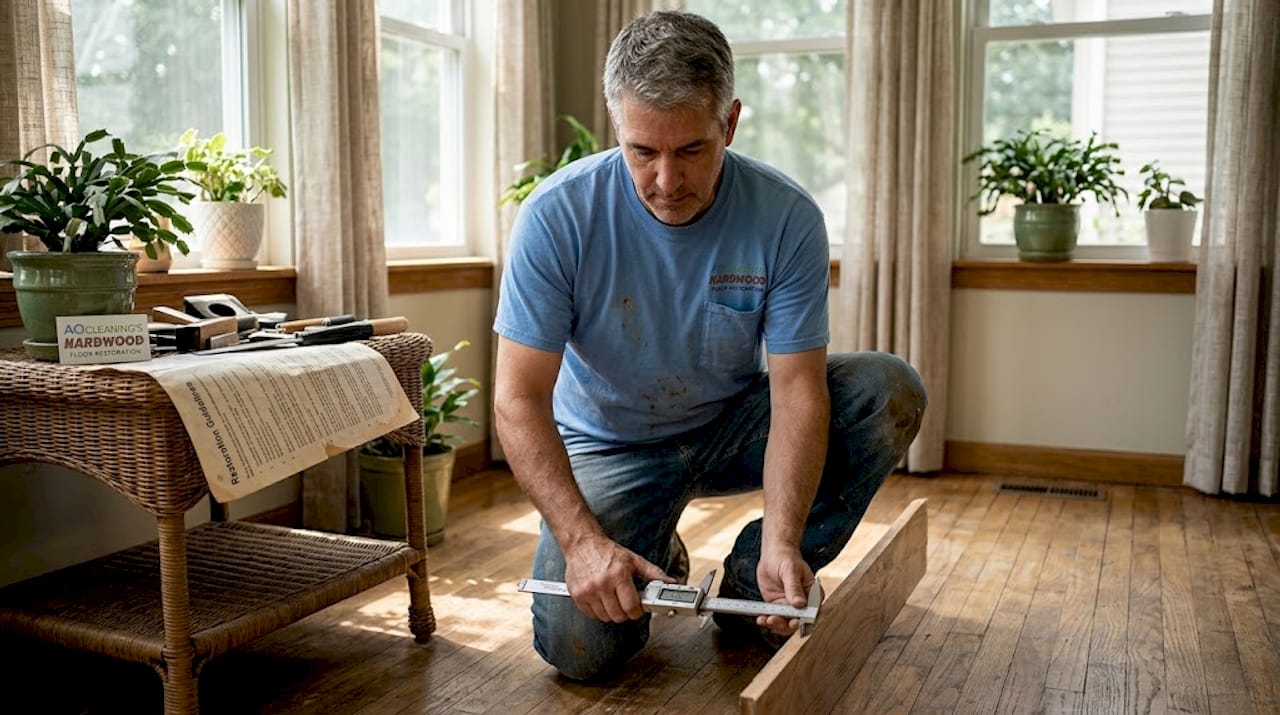
You notice the scratches first, then the dullness, and then you start wondering whether your floors can actually be saved. Understanding how wood floor age affects refinishing is the first thing that determines whether you call a floor pro or a flooring installer. Age shapes everything: how much wood is left to sand, which method makes sense, what finish will look right, and whether refinishing is even on the table. This guide breaks all of that down so you can walk into any conversation about your floors knowing exactly what you’re dealing with.
Table of Contents
Key takeaways
Point | Details |
Age limits your sanding options | A 3/4-inch solid hardwood plank supports roughly 7 refinishes before replacement is needed. |
Engineered wood refinishes less often | Thin wear layers mean engineered floors may only tolerate 1 to 2 refinishes before sanding through. |
Method depends on age and damage | Surface wear calls for screen-and-recoat; deeper damage in older floors typically requires full sanding. |
Old wood changes how color looks | Oxidation makes stain matching on aged floors harder and often requires custom blending on-site. |
Maintenance beats major work | Routine upkeep every 5 to 7 years delays full refinishing and protects your wood longer. |
How wood floor age affects refinishing potential
Not every floor that looks worn out is actually a candidate for refinishing. The impact of floor age on refinishing comes down to one physical reality: every time a floor is sanded, wood gets removed. Once that wood is gone, you cannot sand again.
Solid hardwood can be refinished between 5 and 12 times depending on thickness. A standard 3/4-inch plank supports about 7 refinishes over its lifetime. That sounds like a lot, but floors in older homes that have been maintained for 40 or 50 years may have already burned through several of those cycles without the homeowner ever knowing.
Engineered hardwood allows only 1 to 2 refinishes because the top wear layer is only 1 to 6 millimeters thick. If you have engineered floors and do not know the manufacturer specs, a professional can measure the remaining wear layer before committing to any sanding.
Age also introduces specific types of damage that change what refinishing can and cannot fix:
Scratches and surface scuffs are normal on any floor over 10 years and are typically addressed with screen-and-recoat.
Deep cracks and gaps between boards often indicate the wood has dried out and contracted over time. Sanding will not close those gaps.
Warping or cupping means moisture has gotten into the subfloor or the boards themselves. Structural damage like cupping often disqualifies floors from refinishing entirely and requires replacement.
Discoloration from UV exposure penetrates deeper in older floors, which affects how stain absorbs after sanding.
One factor homeowners rarely think about is refinishing history. Homes with older floors often have unknown refinishing histories that directly affect what is feasible now. A floor that looks thick enough might already be near its sanding limit if previous owners refinished it multiple times. A professional inspection before any work begins is not optional for older floors. It is the entire basis for making a sound decision.
Pro Tip: Ask any pro you hire to measure wood thickness with a gauge before quoting you. If they skip this step on a floor over 20 years old, that is a red flag.
Choosing the right refinishing method by age
Once you know the condition of your wood, the next question is which refinishing method fits. The two main options are screen-and-recoat and full sanding and refinishing, and they are not interchangeable.
Screen-and-recoat
Screen-and-recoat is a surface-level process. A buffer scuffs up the existing finish, and a new topcoat is applied over it. No wood is removed. This works well for floors that have surface wear, light scratches, and a dull finish but still have structurally sound wood underneath. It is the preferred method for floors in the 10 to 25 year range that have been reasonably maintained and have not been sanded recently.
Full sand and refinishing
Full sanding removes the finish plus a thin layer of actual wood, which means it addresses deeper scratches, stains, and discoloration. For older floors with significant wear or visible damage, this is often the only method that produces a truly clean result. It also resets the floor’s appearance completely, which is why it costs more and takes longer.
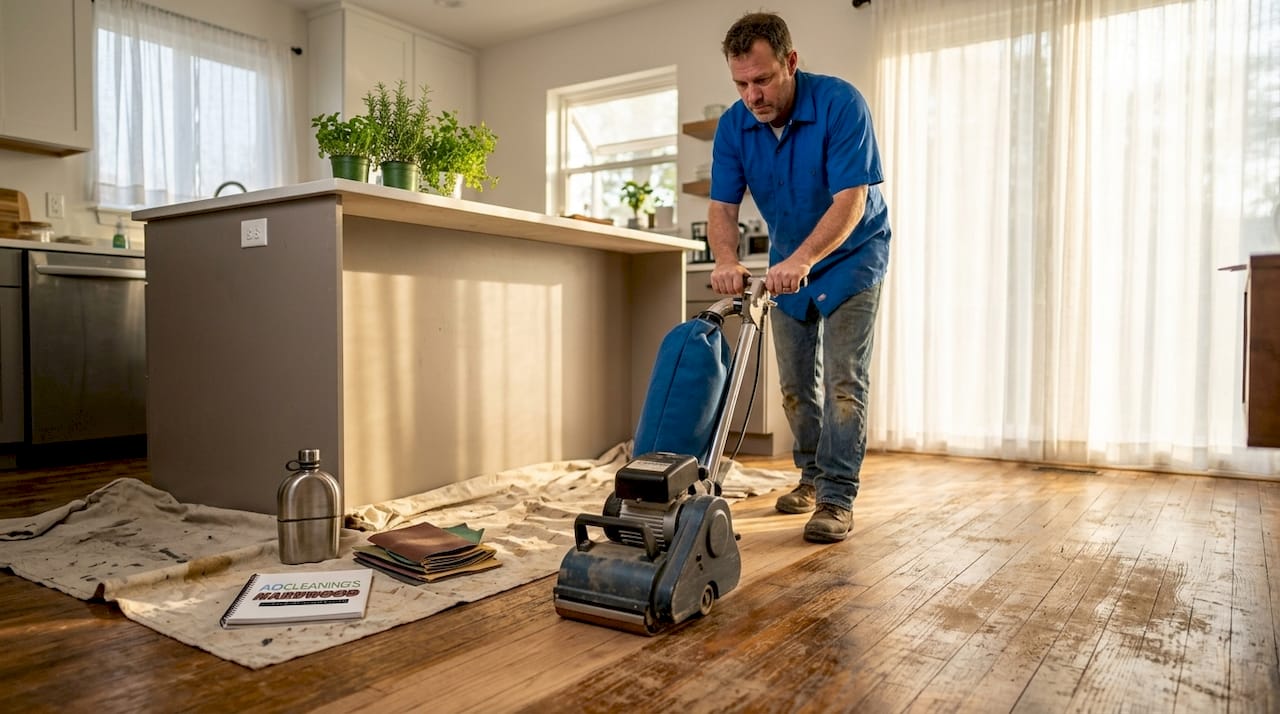
Here is how the two methods compare side by side:
Factor | Screen-and-recoat | Full sand and refinishing |
Wood removed | None | Yes, thin layer per pass |
Best for | Surface wear, dull finish | Deep damage, old stains, severe wear |
Cost per sq ft | $1 to $3 | $4 to $9 |
Disruption | 1 to 2 days | 3 to 5 days |
Refinish cycles used | None | One cycle per sand |
Suitable floor age | Any age with good structure | Floors with remaining wood depth |
The age factor matters here in a specific way. If your floors are 40 years old and have been sanded twice before, learning about full sand refinishing gives you a clearer picture of how much wood depth a full refinish actually consumes. That knowledge directly affects whether full sanding is still a viable option for your specific floor or whether a lighter touch is the smarter call.
Pro Tip: If you are unsure which method your floor needs, ask for a screen-and-recoat assessment first. A good floor professional will tell you honestly if that lighter approach will hold up, rather than defaulting to the more expensive option.
For a detailed breakdown of how these approaches differ in practice, the comparison between clean and buff vs. screen and recoat is worth reading before you book any service.
How floor age changes your finish and color options
This is the part of refinishing that surprises most homeowners. You expect the floors to look fresh after sanding. What you do not expect is that the color you want might not match what the wood can actually deliver.
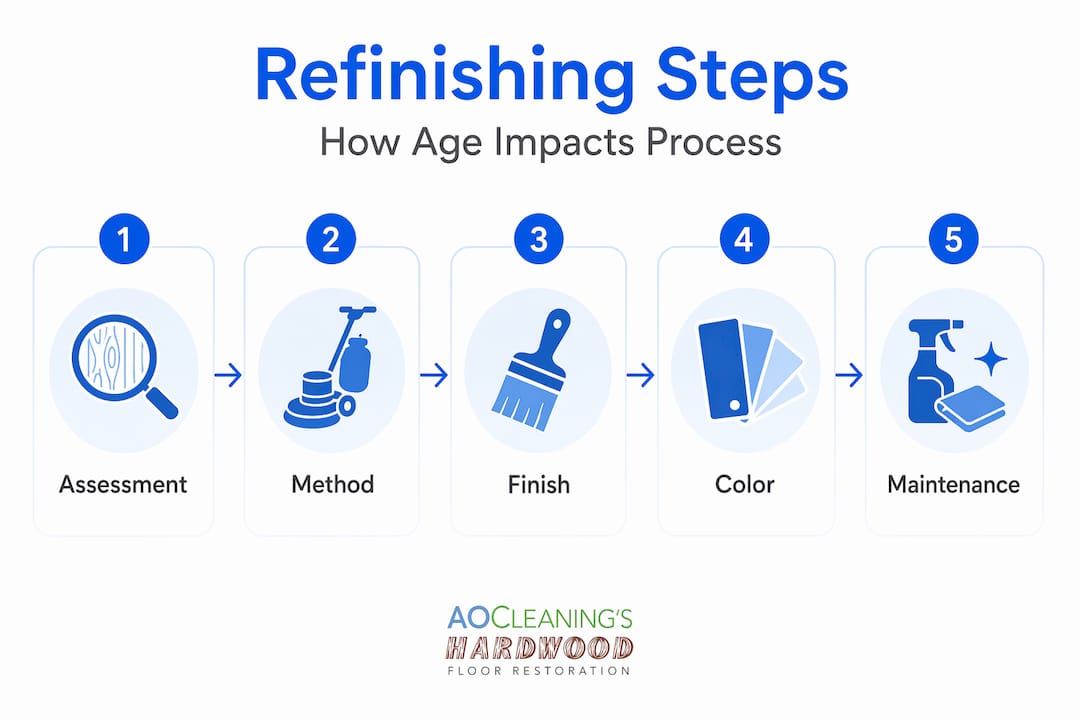
Wood oxidizes over time. The natural tannins and pigments in the wood shift in color as the floor ages, and this affects how stain absorbs after sanding. Older floors often require custom stain matching because the underlying wood tone no longer behaves like new wood from the same species. A red oak floor from 1975 that has been lived on for 50 years does not absorb stain the same way new red oak does.
A few things to keep in mind about finish and color on aged floors:
Test stains on-site, always. Apply samples in a low-traffic area and let them dry fully before committing. What looks right wet will look different once cured.
Gloss level matters more on old wood. Matte and textured finishes hide wear and minor imperfections far better than high-gloss finishes, which magnify every small flaw.
If floors run through multiple rooms, color matching between refinished and unrefinished areas is one of the harder challenges on older wood. The exposed areas will have oxidized differently than areas under furniture or rugs.
Custom stain blending is normal on older floors, not a premium add-on. Aged finishes and oxidized wood require expert blending to recreate the original appearance, and this step takes time to get right.
Pro Tip: If you are going for a dramatic color change on a floor that is 30 or more years old, discuss it with your floor professional before sanding begins. Some color targets are achievable, and some are not, depending on the wood species and how deeply it has oxidized.
Maintaining refinished older floors
Once older floors are refinished, maintenance becomes even more important than it is on newer floors. You have less wood to work with, and the next full refinish may be the last one.
Here is a practical routine to protect your investment:
Vacuum or dust mop weekly. Grit and debris act like sandpaper underfoot. On older floors where the finish is thinner, this wears the topcoat faster than on newer floors.
Clean spills immediately. Wood that has been around for decades has often had past moisture exposure, and the boards may be more vulnerable to swelling. Do not let water sit.
Use felt pads under all furniture. This applies to every floor, but vacuuming and using felt pads consistently extends floor life after refinishing, especially when the wood has fewer sanding cycles left.
Control humidity year-round. Wood expands and contracts with humidity changes, and older floors have experienced decades of this movement. Keeping indoor humidity between 35% and 55% reduces cracking and gapping.
Schedule a screen-and-recoat every 5 to 7 years. Routine screen-and-recoat maintenance preemptively extends floor life and delays the need for another full sand. On older floors, this interval matters even more because every full refinish brings you closer to the wood’s limit.
Avoid wax-based cleaners. They build up on the finish over time and make future recoating harder. Stick to products designed for your finish type.
For a full breakdown of how often different maintenance services should be scheduled based on your floor’s condition, the hardwood floor maintenance guide at Aosaveswoodfloors covers the timing in practical detail.
My take on refinishing older floors
I have seen a lot of floors over the years, and the ones that cause the most problems are not the ones in the worst shape. They are the ones where someone rushed in without knowing the floor’s history.
The old saying holds true: a new floor takes skill, but an old floor takes judgment. You can train someone to run a sander in a straight line. You cannot train someone overnight to know when to stop. With aged floors, the margin for error is genuinely thin, sometimes literally.
What I have learned is that most homeowners underestimate the value of the assessment phase. Getting a floor measured, inspected, and properly diagnosed before any work begins is not just a step in the process. It is the process. Everything else follows from what you find there.
I have also seen clients disappointed by color results that nobody warned them about. Custom stain blending is not a luxury. On a floor that has been oxidizing since the 1970s, it is the only way to get a result that looks intentional rather than accidental.
My honest recommendation for almost every homeowner with a floor over 20 years old: start with the lightest possible maintenance approach and work up from there. Screen-and-recoat has saved more older floors than full sanding ever will, because it preserves what little wood is left rather than removing more of it.
— Jim
Ready to restore your older wood floors?
If your floors are showing their age, it does not automatically mean they need to be replaced or even fully sanded. At Aosaveswoodfloors, the team has been assessing and restoring older hardwood floors across the St. Louis metro and central Illinois since 2003. They will tell you honestly what your floor needs and what it can handle.

Whether your floors need a full sand and refinishing or a lighter screen and recoat service to get another decade of life out of them, Aosaveswoodfloors has the tools and the experience to handle it. Dustless equipment, eco-friendly products, and most jobs done in a single day. Floors ready to walk on in about three hours.
Before you refloor it, let them restore it. Reach out to Aosaveswoodfloors to schedule an assessment.
FAQ
Does wood floor age matter for refinishing decisions?
Yes. Age determines how much wood remains for sanding, what damage is present, and which refinishing method is appropriate. Older floors with unknown refinishing histories need professional inspection before any work begins.
How many times can solid hardwood be refinished?
A standard 3/4-inch solid hardwood floor can be refinished approximately 7 times over its lifetime, though this varies by thickness and how aggressively each sanding is done.
Can engineered hardwood floors be refinished after years of use?
Engineered hardwood typically allows only 1 to 2 refinishes due to its thin wear layer. Once that layer is gone, refinishing is no longer an option, and replacement becomes necessary.
What refinishing method works best for older wood floors?
Screen-and-recoat is the preferred first option for older floors with surface wear because it adds a fresh topcoat without removing more wood. Full sanding is reserved for floors with deep stains, severe damage, or significant discoloration that a surface coat cannot hide.
Why is color matching harder on aged wood floors?
Oxidation changes the wood’s natural tone over decades, making standard stains absorb differently than they would on new wood. Matching older floor colors often requires custom stain blending done on-site with test samples before the full application.
Recommended
How to Refurbish Your Hardwood Floor Without Sanding: A Professional Guide
The Secret to Making Your Tile Floors Look Brand-New Again (Even If They’re 20 Years Old)
Everything You Need to Know About Hardwood Floor Refinishing: Your Top 10 Questions Answered
The Ultimate Guide: When to Clean and Buff Your Hardwood Floors

Comments