


How to Prevent Hardwood Floor Finish Peeling

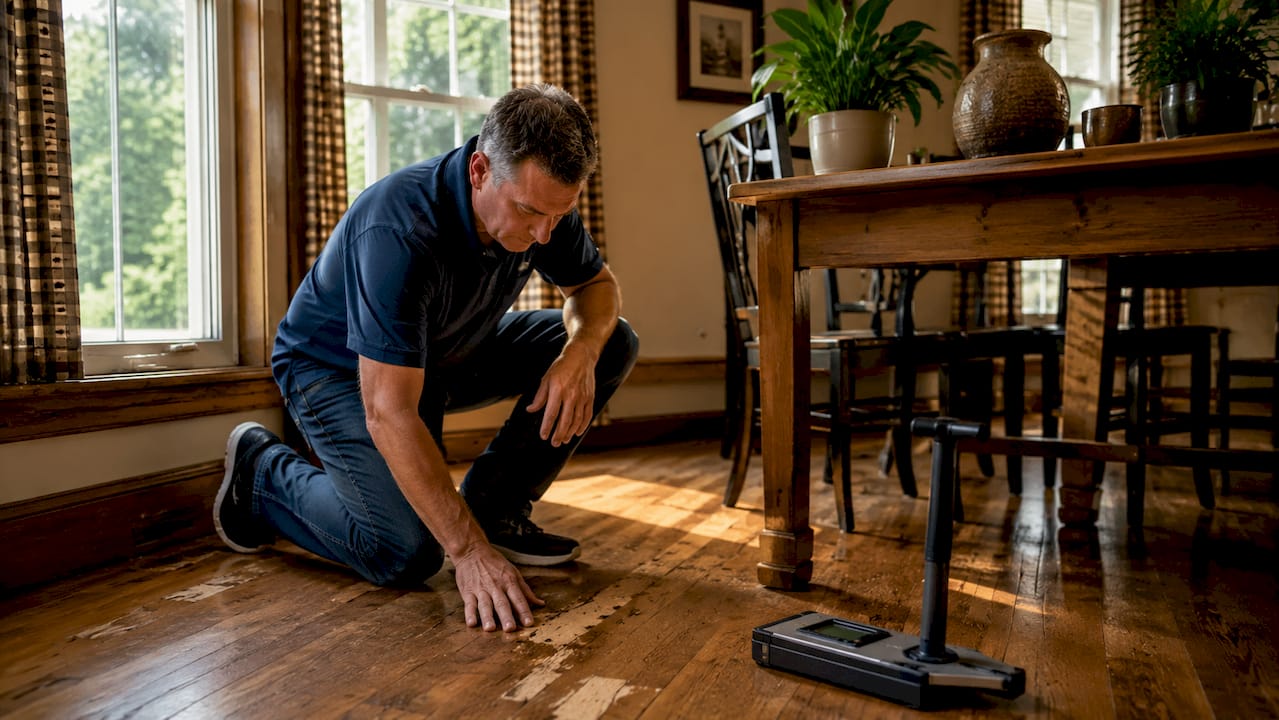
Hardwood floor finish peeling is defined as the loss of adhesion between a protective coating and the wood surface beneath it, and every case is preventable with the right care. The two leading causes are poor surface preparation during application and moisture damage from improper cleaning habits. Industry maintenance standards recommend keeping indoor humidity between 35–55% year-round and using only polyurethane-specific cleaners to protect the finish bond. Reputable contractors warranty refinishing work for 1–3 years, and peeling within that window almost always points to prep errors, not normal wear.
What causes hardwood floor finish peeling?
Poor surface preparation is the top cause of finish failure. When a floor is refinished over wax, silicone residue, or contaminated wood, the new coating never bonds properly to the substrate. The finish sits on top of the contamination rather than adhering to the wood, and it eventually lifts.
Moisture is the second major factor. Wood expands and contracts with humidity changes, and that movement puts stress on the finish bond. Finish failures often appear in spring when rising humidity causes wood to expand, pulling at a bond that was already marginal. The peeling was not caused by spring. Spring just revealed a problem that existed since the day the finish was applied.
Improper cleaning products also destroy finish adhesion over time. Waxes, oil soaps, ammonia-based cleaners, and silicone sprays leave a thin residue on the surface with every use. That residue builds up and creates a barrier that prevents any future coating from bonding. Homeowners who use these products for months before refinishing are setting themselves up for repeat peeling.
Early signs to watch for include:
Flaking or lifting edges along boards, especially near walls or high-traffic paths
Cloudy or dull patches that do not respond to cleaning
Water absorption where droplets soak in rather than bead up on the surface
Soft or spongy feel underfoot in localized spots, which signals moisture damage beneath the finish
Pro Tip: Drop a few water droplets on your floor. If they bead up, your finish is intact. If they soak in within 30 seconds, your finish is compromised and needs attention before peeling starts.
Tools and conditions every homeowner needs
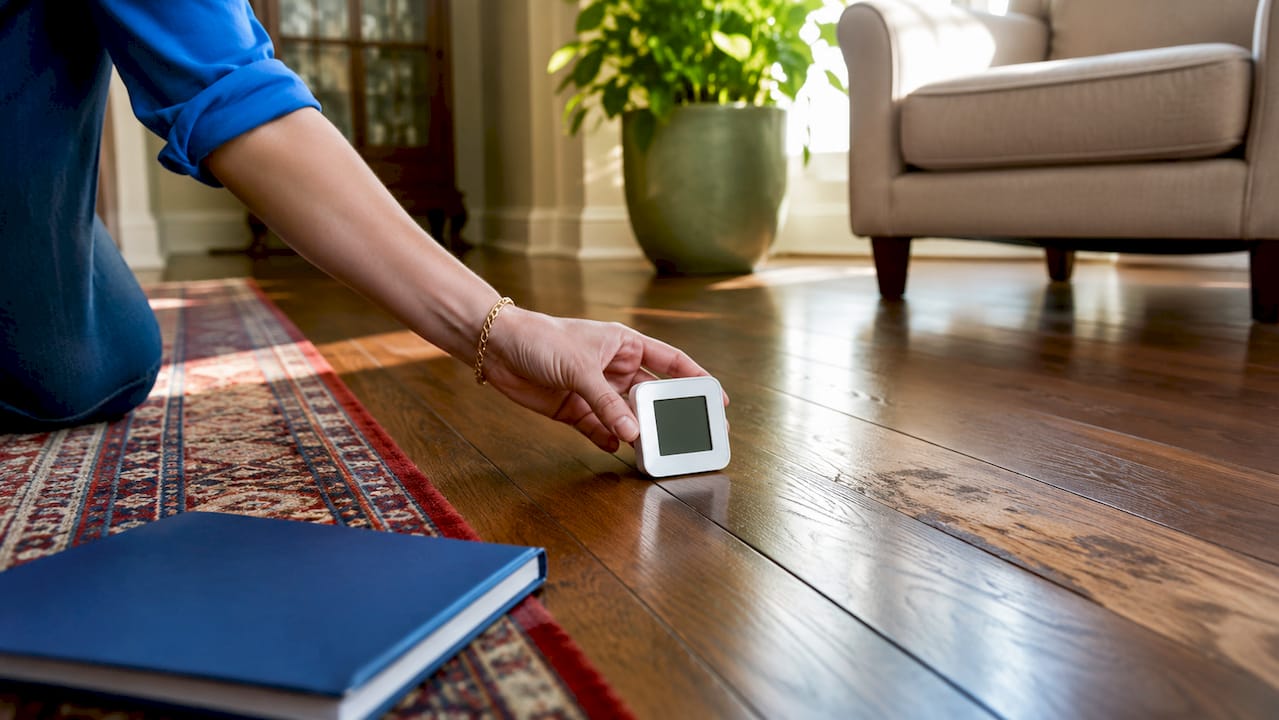
Humidity control is the foundation of finish durability. Maintaining relative humidity between 35–55% year-round prevents the wood movement that stresses the finish bond. A digital hygrometer is the most practical tool for monitoring this. Most models cost between $15 and $30 and give you a real-time reading you can act on.
The right cleaning tools matter just as much as the right products. A microfiber dry dust mop removes abrasive grit and dust particles that scratch the finish surface daily. Wet mopping is a leading cause of premature finish failure because excess moisture forces water into the wood grain, lifting the finish from below. A nearly dry microfiber mop is the only safe option for damp cleaning.
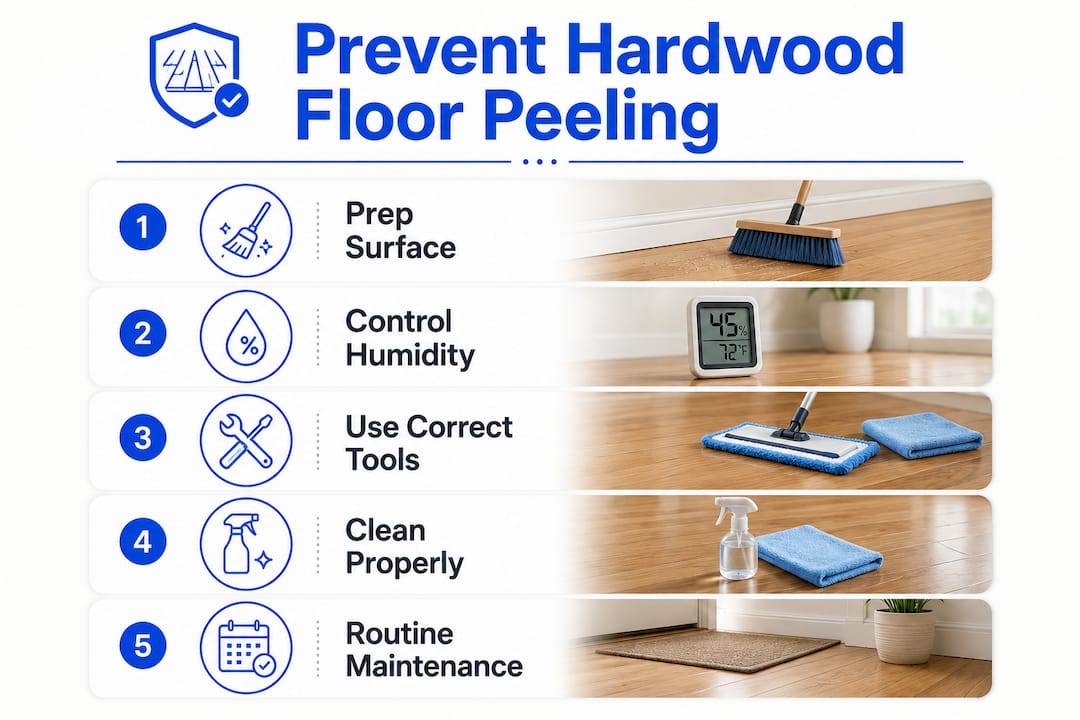
Tool or Product | Purpose | What to Avoid |
Digital hygrometer | Monitor indoor humidity (35–55%) | Ignoring seasonal swings |
Microfiber dry dust mop | Daily removal of grit and debris | Brooms that scatter particles |
pH-neutral hardwood cleaner | Safe damp mopping without residue | Wax, oil soap, vinegar, ammonia |
Felt furniture pads | Prevent scratches that initiate peeling | Rubber-backed pads that trap moisture |
Only use cleaners formulated specifically for polyurethane-finished floors. Products containing wax, polish, oil, or silicone cause adhesion failure by leaving residue that builds up over time. A pH-neutral hardwood cleaner removes dirt without leaving any film behind.
How to build a routine that stops finish peeling
A consistent maintenance routine is the most reliable way to protect hardwood floor finish. The steps below address every major risk factor, from daily grit removal to long-term recoating schedules.
Dust mop daily. Use a microfiber pad to remove sand, grit, and debris before they scratch the finish. Daily dry dust mopping prevents the majority of finish-damaging surface scratches, making it the single most impactful step in any hardwood floor care guide.
Damp mop weekly. Dampen a microfiber mop with a polyurethane-safe cleaner and wring it nearly dry before it touches the floor. Never leave standing water on the surface. Wipe up any spills immediately with a dry cloth.
Run the water bead test monthly. Drop water on several spots across the floor. If it beads, the finish is holding. If it soaks in, schedule a maintenance recoat before the wood itself takes damage.
Inspect high-traffic areas quarterly. Look for dull patches, edge lifting, or soft spots. Catching these early gives you options. Waiting until peeling is widespread removes those options.
Schedule a screen and recoat every 5–7 years. A maintenance recoat adds a fresh layer of finish before the existing coat wears through to bare wood. This is far less expensive than full sanding and refinishing.
Protect furniture contact points. Attach felt pads to the legs of chairs, tables, and sofas. Scratches from furniture legs break the finish surface and create entry points for moisture, which accelerates peeling.
Pro Tip: Steam cleaners are never safe for hardwood floors, regardless of what the packaging claims. The heat and moisture penetrate the finish and cause it to lift. Stick to a nearly dry microfiber mop every time.
How to troubleshoot early signs of finish peeling
When you spot early peeling, your first step is to assess whether the problem is localized or widespread. A small area of flaking in one spot is very different from lifting finish across multiple boards. The right response depends entirely on the scale of the damage.
For minor, isolated flaking, you can carefully remove loose finish with a plastic scraper and lightly sand the edges of the affected area. This stops the peeling from spreading further. It does not restore the finish, but it buys time while you plan the next step.
A screen-and-recoat works only when the existing finish still has solid adhesion to the wood. If the bond has already failed, adding a new coat on top of a compromised layer will cause the new finish to delaminate along with the old one. The only fix for true adhesion failure is sanding down to bare wood and starting over.
Screen-and-recoat won’t fix adhesion failure. Complete sanding to bare wood is required when the bond between the finish and the wood has broken down. Applying a new coat over a failed bond is one of the most common mistakes homeowners and inexperienced contractors make. It produces the same result every time: repeat peeling, often faster than the first time.
Common mistakes that cause peeling to repeat after refinishing include:
Applying coats too thick. Thick coats trap solvents and dry unevenly, creating internal stress that causes the finish to crack and peel.
Skipping proper dry time between coats. Each coat must cure fully before the next is applied. Rushing this step is a direct path to delamination.
Failing to remove all wax or silicone before refinishing. Waxes and silicone products used for months before refinishing create microscopic barriers that prevent new finish from bonding. Stop all polish and wax use 3–6 months before any refinishing work.
Skipping adhesion testing. A professional should always test adhesion in a small area before committing to a full recoat.
Document any peeling with photos and dates. If your floors were refinished within the past 1–3 years, that documentation supports a warranty claim. Peeling within the warranty period almost always indicates a preparation or application defect, not something you caused.
Key Takeaways
Preventing hardwood floor finish peeling requires proper surface preparation, consistent humidity control between 35–55%, and a weekly cleaning routine using only polyurethane-safe products.
Point | Details |
Preparation drives longevity | Poor surface prep is the top cause of finish failure; remove all wax and silicone before refinishing. |
Humidity control is non-negotiable | Keep indoor humidity at 35–55% year-round to prevent wood movement that stresses the finish bond. |
Daily dust mopping protects finish | Removing grit daily prevents surface scratches that break the finish and let moisture in. |
Screen-and-recoat has limits | A recoat only works if adhesion is intact; true bond failure requires sanding to bare wood. |
Early detection saves money | Monthly water bead tests and quarterly inspections catch problems before they require full refinishing. |
What 20 years of floors taught me about peeling finish
Most homeowners I talk to assume peeling finish is a product quality problem. They want to know which brand of finish is best, or whether oil-based lasts longer than water-based. Those are reasonable questions, but they are almost never the right question. Proper surface preparation is the primary determinant of finish life, not the brand on the can.
The floors that peel within a year or two were almost always cleaned with the wrong products for years before refinishing. Pledge, Murphy Oil Soap, and similar products feel like they are caring for the floor. They are actually building up a layer of residue that makes proper adhesion nearly impossible. By the time a homeowner calls for refinishing, the surface looks clean but is chemically contaminated.
Seasonal humidity is the other factor I see ignored constantly. A homeowner installs a humidifier in winter and thinks the job is done. Then summer arrives, humidity spikes, and the wood expands against a finish that was already borderline. That is when the calls start coming in. A digital hygrometer costs less than $30 and removes all the guesswork.
My honest advice: do not wait until you see peeling to act. If your floors are more than five years past their last recoat, schedule a maintenance inspection now. A screen and recoat at the right time costs a fraction of what full sanding and refinishing costs when you wait too long.
— Jim
Floors worth keeping: professional services from Aosaveswoodfloors
Aosaveswoodfloors has been protecting hardwood floors across central Illinois and the St. Louis metro area since 2003, with over 450 Google reviews backing that track record.
If your floors are showing early signs of wear or you want to get ahead of finish failure, Aosaveswoodfloors offers professional clean and buff services that renew the surface without the cost of full refinishing. For floors where adhesion has already failed, their full sand and refinishing service removes the compromised layer completely and starts fresh with proper prep. Every job uses dustless techniques and eco-friendly products, and most are completed in a single day with floors ready to walk on in about three hours. Before you refloor it, let Aosaveswoodfloors restore it.
FAQ
Why is my floor finish peeling after refinishing?
Finish peeling within 1–3 years of refinishing almost always signals a preparation or application defect. Common causes include residual wax or silicone on the surface, coats applied too thick, or insufficient dry time between coats.
Can I fix peeling hardwood floor finish myself?
You can remove loose flakes and lightly sand small isolated spots to stop peeling from spreading. True adhesion failure requires sanding to bare wood and professional refinishing; a DIY recoat over a failed bond will peel again.
What humidity level prevents hardwood floor finish peeling?
Keep indoor humidity between 35–55% year-round. Levels outside this range cause wood to expand and contract, which stresses the finish bond and accelerates peeling.
How often should I recoat hardwood floors to prevent peeling?
Schedule a screen and recoat every 5–7 years before the existing finish wears through to bare wood. Recoating on schedule is far less expensive than full sanding and refinishing after the finish fails.
What cleaning products damage hardwood floor finish?
Wax, oil soap, ammonia-based cleaners, vinegar, and silicone sprays all leave residue that impairs finish adhesion over time. Use only pH-neutral cleaners formulated for polyurethane-finished hardwood floors.
Recommended

Comments