


Types of Hardwood Floor Finishes: A 2026 Homeowner's Guide

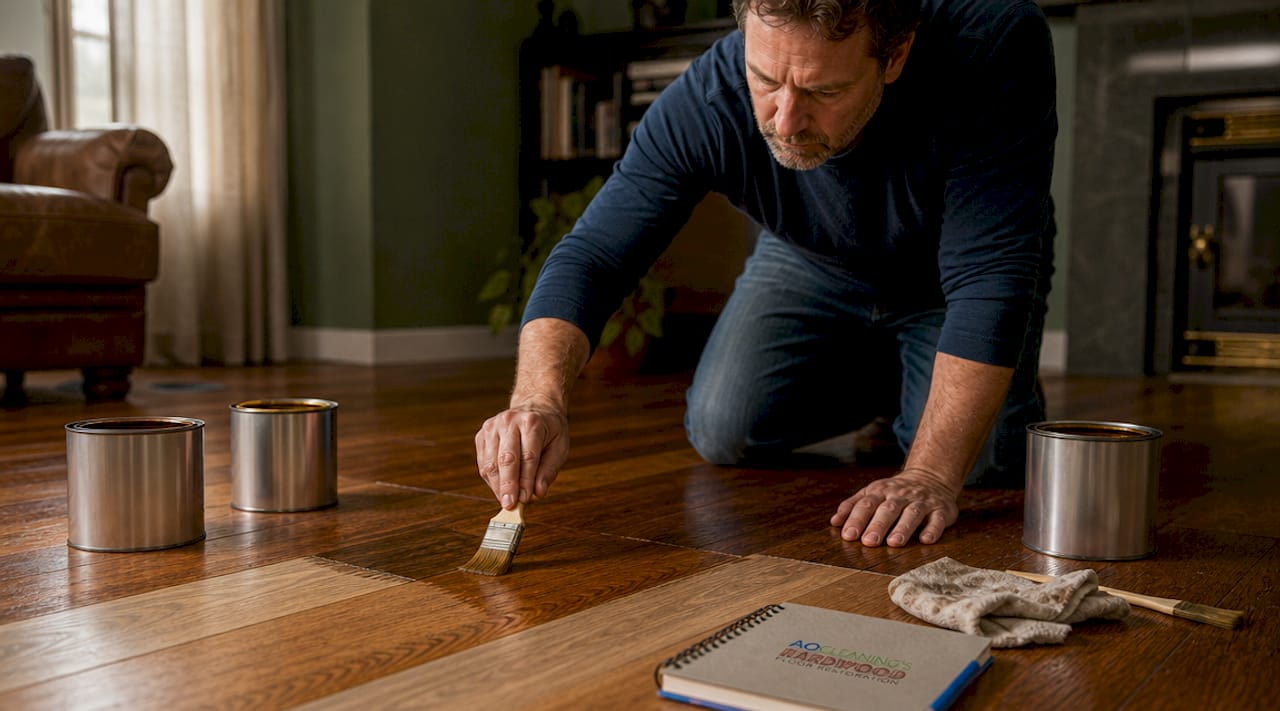
Types of hardwood floor finishes are the coatings and treatments applied to wood floors to protect against wear, enhance appearance, and extend the life of your investment. The main finish categories in 2026 include polyurethane (oil-based and water-based), hardwax oils, penetrating oils, lacquer, shellac, and factory-applied aluminum-oxide. Each finish differs in durability, sheen, VOC emissions, repairability, and how long it takes to dry. Knowing those differences before you buy a product or hire a contractor saves you from costly mistakes and floors that don’t match your lifestyle.
1. Oil-based vs water-based polyurethane finishes
Polyurethane is the most widely used hardwood floor finish in American homes, and the choice between oil-based and water-based versions shapes everything from how your floor looks to how quickly you can walk on it.
Oil-based polyurethane cures slowly. Between coats, expect 8 to 12 hours of drying time, and you should wait 24 hours before walking on the final coat and 72 hours before moving furniture back. That slower cure comes with a payoff: oil-based formulas penetrate slightly deeper and build a dense, hard film. They also add a warm amber tone to the wood, which deepens over time. Many homeowners with oak floors specifically choose oil-based finishes to bring out that golden, traditional look.
Water-based polyurethane dries in roughly 2 to 3 hours between coats, so a full three-coat job can be completed in a single day. The finish cures clear, which preserves the natural color of maple, ash, or lighter wood species without yellowing. Waterborne finishes emit VOCs at 150 or below, compared to 275 to 700-plus for oil-modified and acid-cured alternatives. That gap matters if you have children, pets, or anyone in the home sensitive to chemical odors.
Modern water-based formulas have closed the durability gap with oil-based products significantly. For most residential applications, either finish holds up well under normal foot traffic.
Oil-based: warm amber tone, slower dry, higher VOCs, lower cost per gallon
Water-based: clear finish, fast dry, low VOCs, better for light woods and modern interiors
Both require 3 coats for full protection on bare wood
Pro Tip: For water-based polyurethane, apply thin, even coats and follow the recoat window precisely. Applying a second coat too late causes adhesion failures that show up as peeling within months.
2. Hardwax oils and penetrating natural oils
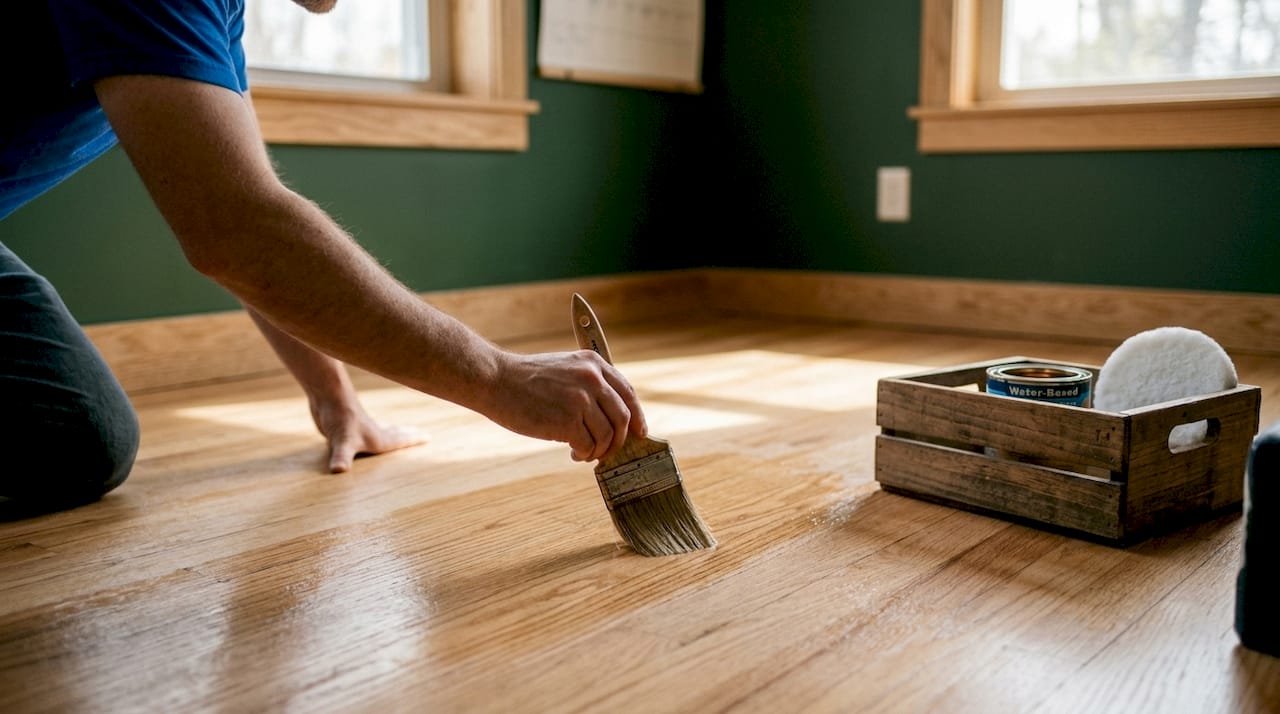
Penetrating finishes work differently from polyurethane at a fundamental level. Rather than forming a film on top of the wood, hardwax oils absorb into wood fibers and harden within the cell structure. The result is a floor that looks and feels like bare wood, with no plastic sheen.
Brands like Rubio Monocoat and Osmo Polyx-Oil are the most recognized names in this category. Both products deliver a flat, natural appearance that suits Scandinavian, farmhouse, and contemporary interiors particularly well. The tactile difference is noticeable: penetrating finishes feel warm and slightly textured underfoot, while polyurethane feels smooth and sealed.
The maintenance story is where penetrating finishes truly stand out. Spot repairs require re-oiling worn areas rather than sanding the entire floor. A scratched or scuffed section can be cleaned, lightly abraded, and re-oiled in an afternoon without touching the rest of the room. Film finishes like polyurethane require whole-room sanding when wear-through occurs, which means more disruption and higher cost.
The tradeoff is maintenance frequency. Hardwax oil floors typically need a fresh coat of oil every 2 to 3 years in high-traffic areas, compared to polyurethane which can go 7 to 10 years before refinishing. You can explore the pros and cons of each finish in more detail before committing.
Hardwax oils: natural look, spot-repairable, requires more frequent maintenance
Penetrating oils: similar benefits, slightly softer protection than hardwax blends
Both are excellent for DIY spot repair without professional equipment
Pro Tip: Apply hardwax oil with a white buffing pad on a low-speed buffer for even penetration. Hand application works but often leaves lap marks on larger floors.
3. Lacquer and shellac finishes
Lacquer is a fast-drying, solvent-based finish that forms a hard, clear coating on the wood surface. It is used more often in commercial settings and factory environments than in residential DIY projects, primarily because it requires spray application for best results and the fumes are intense. Lacquer dries in under an hour per coat, which makes it efficient for production environments. For homeowners, it is rarely the right choice unless you are restoring antique furniture or working in a well-ventilated workshop.
Shellac is one of the oldest wood finishes in use and remains relevant for historic restoration work. It is derived from the secretions of the lac bug, making it completely natural and non-toxic once cured. Shellac bonds well to almost any wood species and accepts topcoats of other finishes, which makes it a useful sealer coat in restoration projects. The limitation is durability: shellac is not water-resistant and softens with alcohol contact, so it is not suitable as a standalone finish for kitchen or bathroom floors.
Finish | Dry time | Best use | Durability |
Lacquer | Under 1 hour | Commercial, factory | Moderate |
Shellac | 30–45 minutes | Historic restoration, sealer coat | Low to moderate |
Oil-based polyurethane | 8–12 hours per coat | Residential, traditional look | High |
Water-based polyurethane | 2–3 hours per coat | Residential, modern look | High |
Neither lacquer nor shellac is a practical primary finish for most homeowners refinishing their own floors today. They appear most often in restoration contexts or as part of a multi-product finishing system.
4. Factory-applied aluminum-oxide finishes
Aluminum-oxide finish is not something you apply after installation. It is integrated into the wear layer of prefinished hardwood planks during factory production, making post-installation application impossible. That distinction matters: if you buy prefinished hardwood flooring at a home improvement store, it almost certainly has an aluminum-oxide coating already on it.
The durability is exceptional. Aluminum-oxide finishes last 25 or more years in residential settings, and manufacturers back them with warranties ranging from 25 to 50 years. The finish is scratch-resistant enough to handle heavy foot traffic, pets, and furniture movement without showing wear in the way that site-applied finishes do.
The limitation is repairability. Because the finish is fused into the factory wear layer, you cannot simply screen and recoat an aluminum-oxide floor the way you would a polyurethane-finished floor. When the finish does eventually wear through, the repair options are either full sanding down to bare wood or plank replacement. Hardwood floor refinishing costs range from $4 to $12 per square foot depending on scope, and aluminum-oxide floors sit at the higher end of that range when full sanding is required.
For homeowners who want maximum durability with minimal maintenance for decades, prefinished aluminum-oxide floors are the strongest option available.
5. How sheen levels affect appearance and maintenance
Sheen is not just an aesthetic choice. It directly affects how visible scratches and daily wear are on your floor, and it changes how much light a room reflects.
Sheen levels break down by reflectivity: matte at 10 to 25 percent, satin at 30 to 40 percent, semi-gloss at 50 to 65 percent, and high gloss at 70 percent and above. Each step up the scale makes the floor shinier and makes surface imperfections more visible. A high-gloss floor in a busy kitchen with kids and dogs will show every footprint, scratch, and dust particle. The same floor in a formal dining room used twice a week looks stunning.
Sheen level | Reflectivity | Scratch visibility | Best for |
Matte | 10–25% | Very low | High-traffic, casual spaces |
Satin | 30–40% | Low | Most residential rooms |
Semi-gloss | 50–65% | Moderate | Formal spaces, lower traffic |
High gloss | 70%+ | High | Showrooms, formal rooms |
Satin is the most popular choice for residential floors because it offers a clean, polished look without amplifying every scuff. Matte finishes have grown significantly in popularity for wide-plank white oak floors, where the low sheen reinforces the natural, raw-wood aesthetic. You can read more about sheen levels and appearance to see how each option photographs in real rooms.
Pro Tip: If you are refinishing a floor in a room with direct sunlight, choose matte or satin. High-gloss finishes in sun-drenched rooms show dust and streaks constantly, which means more frequent cleaning to keep them looking good.
6. Matching finish type to your lifestyle and project
The right finish depends on three factors: how much traffic the floor takes, how much maintenance you are willing to do, and whether you are applying it yourself or hiring a professional.
For quick-dry, low-odor DIY projects: Water-based polyurethane is the most practical choice. The fast recoat window means you can apply three coats in one day, and the low VOC level makes it safe to work with in an occupied home. It works especially well on lighter wood species like maple and ash where you want to preserve the natural color.
For a warm, traditional look: Oil-based polyurethane delivers the amber tone that makes red oak and hickory floors glow. The longer dry time is a real inconvenience, but the finish is widely available, forgiving to apply, and produces a result that many homeowners consider more attractive than water-based alternatives.
For natural aesthetics and easy spot repair: Hardwax oil is the best option. It requires more frequent maintenance, but the ability to repair worn areas without sanding the whole floor is a genuine advantage in high-traffic zones like hallways and living rooms.
For maximum durability without refinishing: Aluminum-oxide prefinished planks are the answer, but only if you are installing new flooring. You cannot add this finish to an existing floor.
High foot traffic with pets and kids: water-based polyurethane or aluminum-oxide prefinished
Historic or antique floors: shellac as a sealer, then water-based polyurethane topcoat
Modern, natural-look interiors: hardwax oil like Rubio Monocoat or Osmo Polyx-Oil
Budget-conscious full refinish: oil-based polyurethane, widely available and cost-effective
Pairing your finish choice with complementary interior elements, like real wood blinds, creates a cohesive look that ties the room together without additional cost.
Key takeaways
The most durable and practical hardwood floor finish for most homeowners is water-based polyurethane, but the right choice depends on your aesthetic goals, maintenance tolerance, and whether you need DIY repairability.
Point | Details |
Polyurethane dominates residential use | Oil-based adds warmth; water-based dries faster and emits far fewer VOCs. |
Penetrating finishes allow spot repair | Hardwax oils like Rubio Monocoat let you re-oil worn areas without sanding the whole floor. |
Aluminum-oxide lasts 25-plus years | Factory-applied only; cannot be added to existing floors after installation. |
Sheen affects scratch visibility | Matte and satin hide wear better than semi-gloss or high gloss in busy rooms. |
Finish choice drives refinishing cost | Full sanding runs $4 to $12 per square foot; screen-and-recoat costs significantly less. |
What 20 years of floor work has taught me about finish selection
Most homeowners walk into a finish decision thinking about appearance first and maintenance second. After seeing hundreds of floors in every condition, I think that order should be reversed.
The floors that hold up best over a decade are not always the ones with the hardest coating. Moisture interaction between wood and finish is what determines long-term performance more than surface hardness alone. A perfectly applied water-based polyurethane on a floor with stable moisture content will outlast a thick oil-based coat applied over wood that was not properly acclimated.
I have also seen homeowners choose high-gloss finishes for beautiful kitchens and regret it within six months. The finish itself holds up fine. The problem is that high gloss turns every footprint and water splash into a visible event, and the floor never looks clean unless you mop it every other day. Satin is the honest choice for real life.
The penetrating oil category is underused in American homes compared to Europe, where hardwax oil floors are standard in new construction. The spot-repair advantage is real and significant. If you have a dog, a busy entryway, or kids who drag furniture, the ability to touch up a worn patch without renting a sander is worth the trade-off in maintenance frequency.
Pick your finish based on how you actually live, not how you imagine you will live after the renovation.
— Jim
Ready to restore your hardwood floors?
If you have identified the right finish type but are not sure your current floors are ready for a new coat, Aosaveswoodfloors can help you figure out the next step.
Aosaveswoodfloors has been restoring hardwood floors across the St. Louis metro area and central Illinois since 2003. Their clean and buff service refreshes your existing finish without full sanding, extending its life by years at a fraction of the refinishing cost. For floors that need more work, their professional refinishing service covers everything from screen-and-recoat to full sand and finish in your choice of sheen and finish type. Most jobs are completed in a single day, with floors ready to walk on in about three hours. Before you replace your floors, let Aosaveswoodfloors restore them.
FAQ
What is the most durable hardwood floor finish?
Factory-applied aluminum-oxide is the most durable finish available, lasting 25 or more years with manufacturer warranties up to 50 years. For site-applied finishes, water-based and oil-based polyurethane both deliver high durability in residential settings.
How long does water-based polyurethane take to dry?
Water-based polyurethane dries in 2 to 3 hours between coats. Allow 24 hours before walking on the final coat and 72 hours before moving furniture back into the room.
Can I apply aluminum-oxide finish to my existing floors?
No. Aluminum-oxide finish is integrated into prefinished planks during factory production and cannot be applied on site after installation.
What sheen level hides scratches best?
Matte finish, with 10 to 25 percent reflectivity, hides scratches and daily wear most effectively. Satin is the next best option and remains the most popular choice for residential floors.
What is the difference between penetrating and film-forming finishes?
Penetrating finishes like hardwax oils absorb into the wood and allow spot repairs without sanding. Film-forming finishes like polyurethane sit on top of the wood and require whole-room sanding when wear-through occurs.
Recommended

Comments