


Eco-Friendly Floor Refinishing Products: Homeowner's Guide
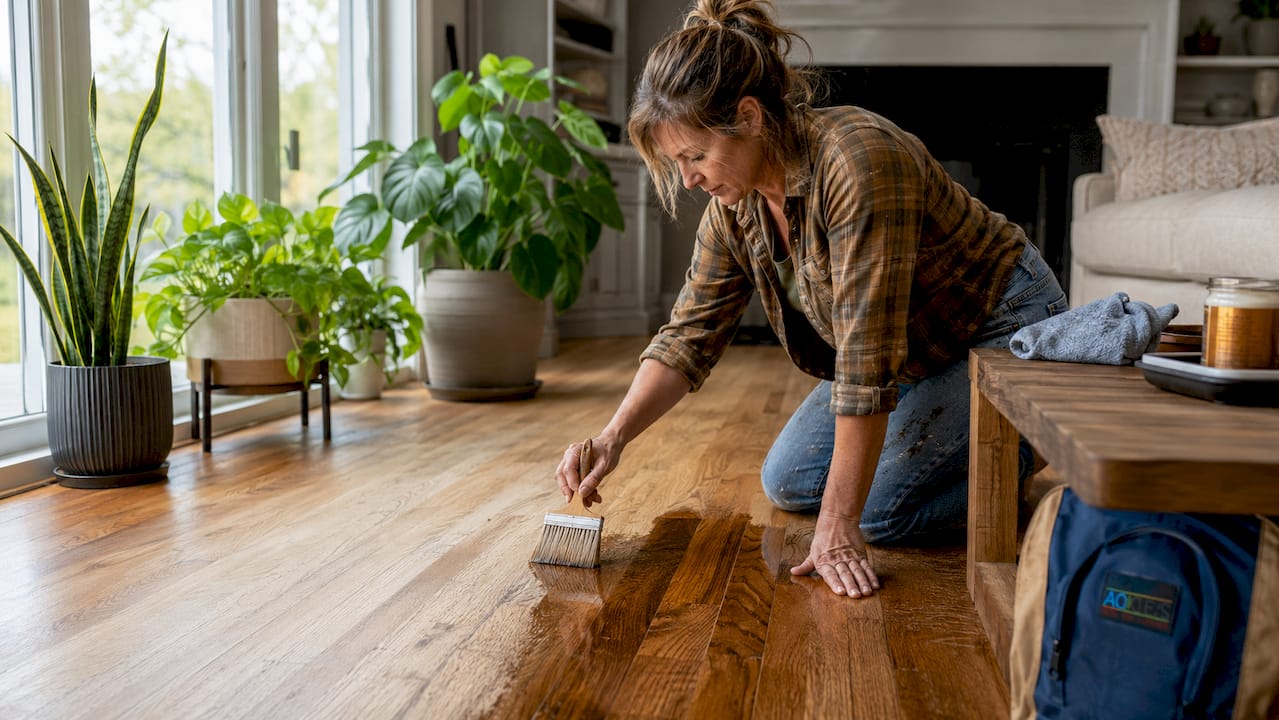
Eco-friendly floor refinishing products are specialized coatings and oils formulated to restore hardwood floors while minimizing harmful emissions and using sustainably sourced ingredients. Products like Rubio Monocoat Oil Plus 2C, Hesse Lignal HYDRO ECO-TOP HE, and Bona’s Resilient System represent the current standard for green floor restoration, combining low or zero VOC emissions with genuine durability. The industry term you’ll see on product labels and certification documents is “low-emission waterborne finish” or “natural oil finish,” and understanding that vocabulary helps you cut through marketing claims fast. This guide covers product types, VOC standards, health benefits, application techniques, and a side-by-side comparison so you can choose with confidence.
What are the common types of eco-friendly floor refinishing products?
The three main categories of non-toxic floor refinishing products are natural oil finishes, waterborne lacquers, and natural solid oils. Each works differently at the chemistry level, and each suits a different type of home and lifestyle.
Natural oil finishes penetrate the wood fiber rather than sitting on top as a film. Rubio Monocoat Oil Plus 2C is the most recognized product in this category, claiming 0% VOC content and bonding directly to raw wood through a single-coat application. That single-coat claim matters because it reduces total product use per project, which lowers your environmental footprint beyond just the VOC number.
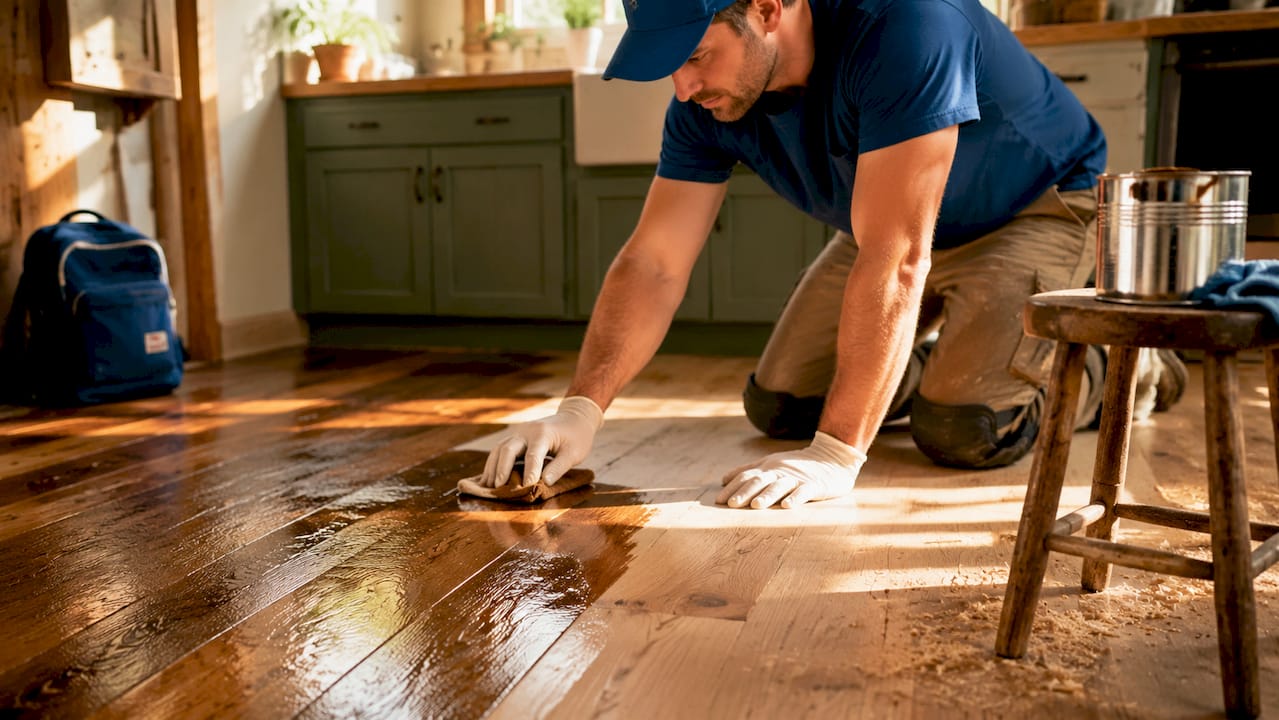
Waterborne lacquers form a protective film on the wood surface and are the dominant choice for high-traffic areas. Hesse Lignal’s HYDRO ECO-TOP HE is formulated with 75% sustainable raw materials and 71% water, which explains why it dries in about two hours and cleans up with water instead of solvents. The tradeoff is that film finishes can show scratches more visibly than oil finishes over time.
Natural solid oils sit between those two categories. Proterra NATURAL SOLID OIL GE 11254 contains over 94% renewable raw materials, is biodegradable, and carries no heavy-metal siccatives. It suits parquet and furniture surfaces where a natural look is the priority.
Pro Tip: When comparing products at the store or online, check whether the VOC figure is measured in grams per liter (g/L). That is the EPA standard unit, and it lets you compare products on a level playing field regardless of how the marketing copy is written.
Product type | Key ingredients | VOC level | Drying time | Best for |
Natural oil finish (Rubio Monocoat) | Plant-based oils | 0% VOC | 24 hrs walk, 5 days full cure | Raw wood, single-coat projects |
Waterborne lacquer (HYDRO ECO-TOP HE) | 75% sustainable materials, 71% water | Low | 2 hrs dry, 7 days full cure | High-traffic floors |
Natural solid oil (Proterra) | 94%+ renewable materials | Certified low | Fast dry, optional hardener | Parquet, furniture |
Waterborne multicoat (PURA-NATURA HDE) | Waterborne polymer | 6.05% EU VOC | 3 hrs dry, 7 days full cure | Sustainable building projects |
How do VOC emissions and certifications affect product selection?
VOC stands for volatile organic compound. These are carbon-based chemicals that evaporate at room temperature and contribute to indoor air pollution and outdoor smog formation. The EPA defines VOC compliance based on a compound’s photochemical reactivity, which means some chemicals are exempt from VOC reporting even though they still evaporate. That distinction matters because a product labeled “zero VOC” may still contain exempt compounds that affect air quality.
The practical metric is grams per liter (g/L). Bona’s Resilient System carries under 50 g/L VOC and holds GREENGUARD GOLD certification, which is one of the most rigorous third-party indoor air quality standards available. GREENGUARD GOLD sets stricter chemical emission limits than standard GREENGUARD, making it the benchmark for products used in homes with children or people with respiratory sensitivities.
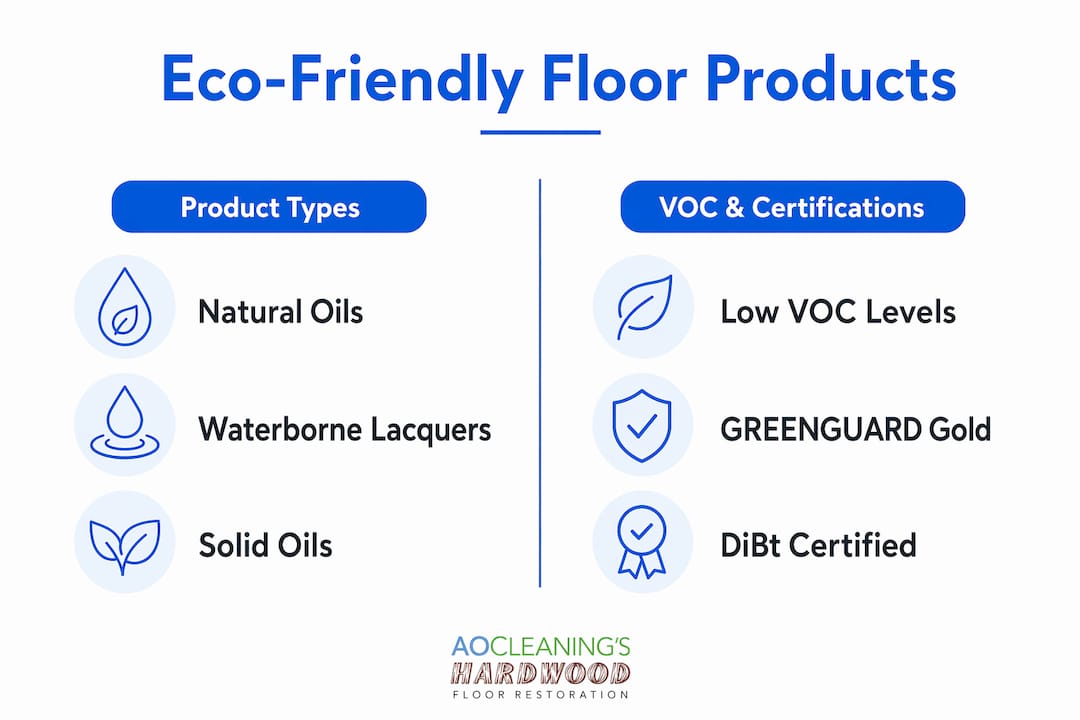
DiBt emission certificates, common on European products like those from Hesse Lignal, serve a similar function in the German building materials market. When you see either certification on a label, it means an independent lab has measured actual emissions, not just calculated them from ingredients.
The gap between “dry to touch” and “fully cured” is where most homeowners make mistakes. Hesse Lignal’s PURA-NATURA HDE 54451 dries in 3 hours but hardens over 7 days. Walking on the floor at hour four is fine. Dragging furniture across it on day two is not.
Pro Tip: Open windows and run a fan during application and for at least 24 hours after. Even certified low-emission products release their highest concentration of compounds in the first few hours. Ventilation is the single most effective way to protect indoor air quality during any refinishing project.
What are the environmental and health advantages of green floor restoration products?
Choosing sustainable floor refinishing over full replacement carries a measurable climate benefit. Refinishing a hardwood floor can reduce climate impact by up to 95% compared to tearing it out and installing new flooring. That figure reflects the energy, raw materials, and transportation involved in manufacturing and delivering new flooring products. Restoration is almost always the greener choice, regardless of which eco-friendly product you select.
Natural oil finishes and solid oils add another layer of sustainability through their ingredient sourcing. Proterra NATURAL SOLID OIL’s biodegradable formulation and absence of heavy-metal siccatives means the product breaks down in the environment rather than persisting as a chemical contaminant. That matters most at the disposal stage, when leftover product and used applicators enter the waste stream.
For context on sustainable material sourcing, bamboo matures in 3 to 6 years compared to decades for hardwood trees, and cork is harvested without felling the tree. Those facts illustrate the broader principle: the more renewable the raw material, the lower the long-term environmental cost. Eco-friendly floor finishes apply that same logic to the chemistry of the coating itself.
The health benefits inside your home are equally direct:
Reduced chemical odor during and after application, particularly with waterborne systems
Lower risk of respiratory irritation for household members and pets during the curing window
No heavy-metal compounds in certified natural oils, which matters for homes with young children
Water-based cleanup agents eliminate the need for solvent disposal, reducing household chemical exposure
Dust containment during sanding limits particulate matter in the air, a benefit that extends well beyond product chemistry
How to choose and apply eco-friendly refinishing products effectively
Selecting the right product starts with knowing your floor’s current condition. If your hardwood has an existing oil or wax finish, a penetrating oil like Rubio Monocoat will not bond correctly without sanding back to raw wood first. The 0% VOC claim depends entirely on that direct wood contact. Skipping proper sanding does not just reduce durability. It can cause the finish to peel within months.
For waterborne lacquers, the preparation standard is slightly different. The wood needs to be clean and dry, but the surface does not always need to go back to bare wood. Check the hardwood floor refinishing checklist before you start so you know exactly what prep your specific floor requires.
Follow these steps for a successful eco-friendly application:
Sand to the appropriate depth. For oil finishes, sand to raw wood. For waterborne lacquers, sand to a clean, smooth surface free of previous coatings that could interfere with adhesion.
Vacuum and tack the surface. Remove all dust before applying any product. Dust trapped under a finish creates texture and weakens the bond.
Apply in thin, even coats. Thick coats trap solvents and extend cure time. Two thin coats of a waterborne lacquer outperform one heavy coat every time.
Respect the drying window before recoating. Hesse Lignal’s HYDRO ECO-TOP HE dries in 2 hours before a second coat, but the floor needs 7 days to reach full hardness.
Clean tools with water, not solvents. Products like PURA-NATURA HDE 54451 specify water for tool cleaning, which eliminates solvent disposal entirely.
Handle hardeners carefully. Some natural oil products include optional isocyanate-based hardeners for improved resistance. Wear nitrile gloves and work in a ventilated space when using them.
Observe the full cure time before placing furniture. Rubio Monocoat requires 48 hours before furniture and 5 days for full cure. Moving a couch at hour 36 will leave marks that do not buff out.
Pro Tip: If you are refinishing engineered hardwood, check the veneer thickness before sanding. Many engineered floors have a wear layer thin enough that aggressive sanding removes the option for future refinishing. Review the step-by-step engineered floor guide before you start.
Comparing popular eco-friendly hardwood refinishing products
The table below covers the five most relevant products for homeowners choosing sustainable floor refinishing in 2026. Each has a distinct strength, and the right choice depends on your floor type, traffic level, and how much time you can give the curing process.
Product | VOC / certification | Dry time / full cure | Best use case | Application complexity |
Rubio Monocoat Oil Plus 2C | 0% VOC | 24 hrs / 5 days | Raw wood, natural look | Moderate (requires raw wood prep) |
Hesse Lignal HYDRO ECO-TOP HE | Low, 75% sustainable materials | 2 hrs / 7 days | High-traffic residential floors | Low (water cleanup) |
Hesse Lignal PURA-NATURA HDE 54451 | 6.05% EU VOC | 3 hrs / 7 days | Sustainable building projects | Low (up to 2 coats) |
Proterra NATURAL SOLID OIL GE 11254 | Certified low, biodegradable | Fast / optional hardener | Parquet, furniture, natural finish | Moderate (hardener handling) |
Bona Resilient System | Under 50 g/L, GREENGUARD GOLD | Fast turnaround | Refinishing over replacement | Low to moderate |
Rubio Monocoat suits homeowners who want a matte, natural wood look and are willing to sand properly. Bona’s Resilient System is the strongest choice for anyone prioritizing third-party certification and fast return to service. The Hesse Lignal waterborne products work well for DIYers because tool cleanup requires only water, and the application process is forgiving. Understanding the differences between hardwood floor finishes helps narrow the choice further based on sheen level and long-term maintenance needs.
Key takeaways
Eco-friendly floor refinishing products protect indoor air quality and reduce environmental impact most effectively when product selection, surface preparation, and cure time are all treated as equally important.
Point | Details |
Product type determines prep requirements | Oil finishes like Rubio Monocoat require sanding to raw wood; waterborne lacquers are more forgiving. |
VOC certification beats marketing claims | GREENGUARD GOLD and DiBt certificates confirm independently measured emissions, not just ingredient lists. |
Cure time is not the same as dry time | Most waterborne products dry in 2 to 3 hours but need 7 full days to reach hardness. |
Refinishing beats replacement on sustainability | Refinishing can reduce climate impact by up to 95% compared to installing new flooring. |
Cleanup method is part of the eco equation | Water-based tool cleanup eliminates solvent disposal and reduces total environmental load. |
What I’ve learned after years of eco-friendly floor work
The most common mistake I see homeowners make is treating “eco-friendly” as a single category. It is not. A product with 0% VOC that requires aggressive solvent-based prep work is not genuinely low-impact. A product certified GREENGUARD GOLD that gets applied without ventilation still degrades your indoor air quality during the curing window. The chemistry of the coating is only one piece of the picture.
The second thing I would tell any homeowner is this: do not skip the cure time because the floor looks and feels fine after 24 hours. Waterborne finishes are deceptive that way. The surface hardens from the top down, and the lower layers are still soft for days. I have seen floors that looked perfect on day two show deep scratches from a chair leg by day five, simply because the homeowner did not wait out the full cure window.
Natural oil finishes like Rubio Monocoat are genuinely impressive for the right application. The single-coat system and zero VOC claim are not just marketing. But they require honest surface preparation. If there is any sealer, wax, or old finish left on the wood, the oil cannot penetrate and bond. The finish will look fine for a few weeks and then start to flake. Proper sanding is not optional with these products. It is the whole job.
My honest recommendation for most homeowners is to start with a professional assessment before committing to a product. The condition of your existing finish, the species of your wood, and the traffic patterns in your home all affect which eco-friendly option will actually last.
— Jim
How Aosaveswoodfloors handles eco-friendly refinishing for you
If the product comparisons and cure time windows feel like a lot to manage, that is exactly the situation Aosaveswoodfloors was built for. Since 2003, the team at AO Cleaning has been restoring hardwood floors across St. Louis, Columbia, Belleville, and surrounding communities using dustless techniques and low-VOC products on every job.
Their full sand and refinishing service handles everything from surface prep to final coat, using eco-friendly products matched to your specific floor type. Most jobs are completed in a single day, with floors ready to walk on in about three hours. Before you decide to replace your floors, call Aosaveswoodfloors first. Their tagline says it best: “Before you REFLOOR it, let us RESTORE it.”
FAQ
What makes a floor refinishing product eco-friendly?
A floor refinishing product qualifies as eco-friendly when it uses low or zero VOC formulations, sustainable or renewable raw materials, and carries third-party certifications like GREENGUARD GOLD or DiBt emission certificates that confirm independently measured emissions.
How long do eco-friendly floor finishes take to cure?
Dry-to-touch time is typically 2 to 3 hours for waterborne products, but full hardness takes 7 days. Rubio Monocoat Oil Plus 2C allows walking after 24 hours and reaches full cure in 5 days.
Can I apply eco-friendly products over an existing finish?
Natural oil finishes like Rubio Monocoat require sanding to raw wood to bond properly. Waterborne lacquers are more flexible, but the surface must be clean, dry, and free of incompatible coatings before application.
Are zero-VOC products completely safe to use indoors?
Zero-VOC products significantly reduce chemical emissions, but ventilation is still necessary during application and curing. Some products include optional hardeners with isocyanates that require gloves and airflow regardless of the base product’s VOC rating.
Is refinishing really more sustainable than replacing floors?
Refinishing can reduce climate impact by up to 95% compared to floor replacement, according to data from Bona’s Resilient System research. That figure accounts for the energy and raw materials required to manufacture and install new flooring.
Recommended

Comments