


Oil Soap Explained: A Homeowner's Guide to Safe Wood Cleaning
- Kim M.

- Aug 4
- 10 min read
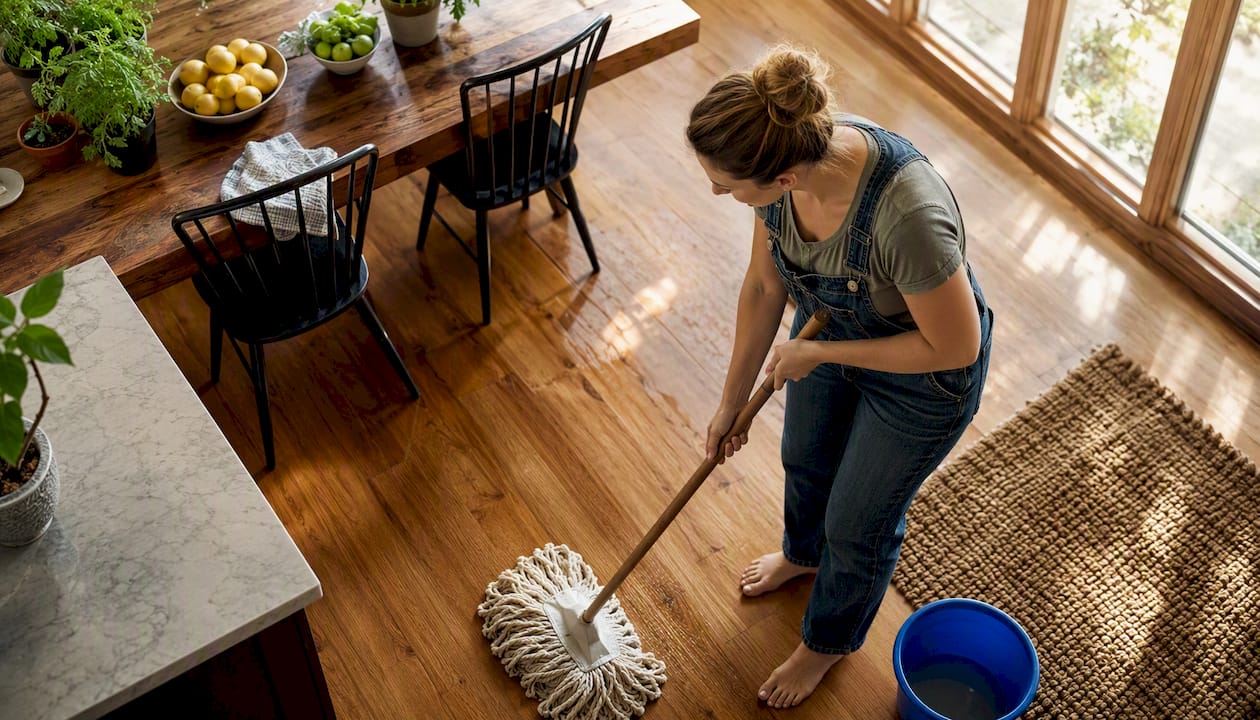
Oil soap is a potassium-based vegetable oil cleanser designed to lift dirt from sealed, finished wood surfaces without stripping the finish underneath. The single most important rule: dilute it, use it on sealed wood only, and never apply it to unfinished, oiled, or waxed surfaces.
Oil soap is a cleaner. It removes surface grime from a healthy finish. It does not restore a worn finish, feed the wood, or disinfect anything — and confusing those jobs is where most homeowners run into trouble.
Safe on: sealed hardwood floors, finished furniture, painted wood, some vinyl and linoleum
Avoid on: unfinished wood, oiled finishes, waxed surfaces, some antiques
Dilute every time: concentrated product leaves residue that attracts dirt and can complicate refinishing
Table of Contents
What oil soap is made of and how it actually cleans
Oil soap is built on potassium salts of fatty acids, derived from vegetable oils through a process called saponification. That chemistry matters: potassium-based soaps are softer and more water-soluble than sodium-based bar soaps, which is why oil soap rinses away cleanly from a sealed surface instead of leaving a chalky film.
Murphy Oil Soap, one of the most recognized products in this category, lists water, coconut and plant-derived cleaning ingredients, natural fragrance, and a small percentage of synthetic ingredients. The brand markets it as 98% natural and phosphate-free.
The cleaning mechanism is straightforward: the surfactants emulsify grease and lift particulate dirt from the surface of a sealed finish. The soap does not penetrate the finish or reach the wood below. That is the key distinction between how oil soap cleans and what a conditioning oil or penetrating finish does. Oil soap works on the surface layer. Once you rinse or wipe it away, it is gone — no protective residue, no nourishment, no structural benefit to the wood itself.
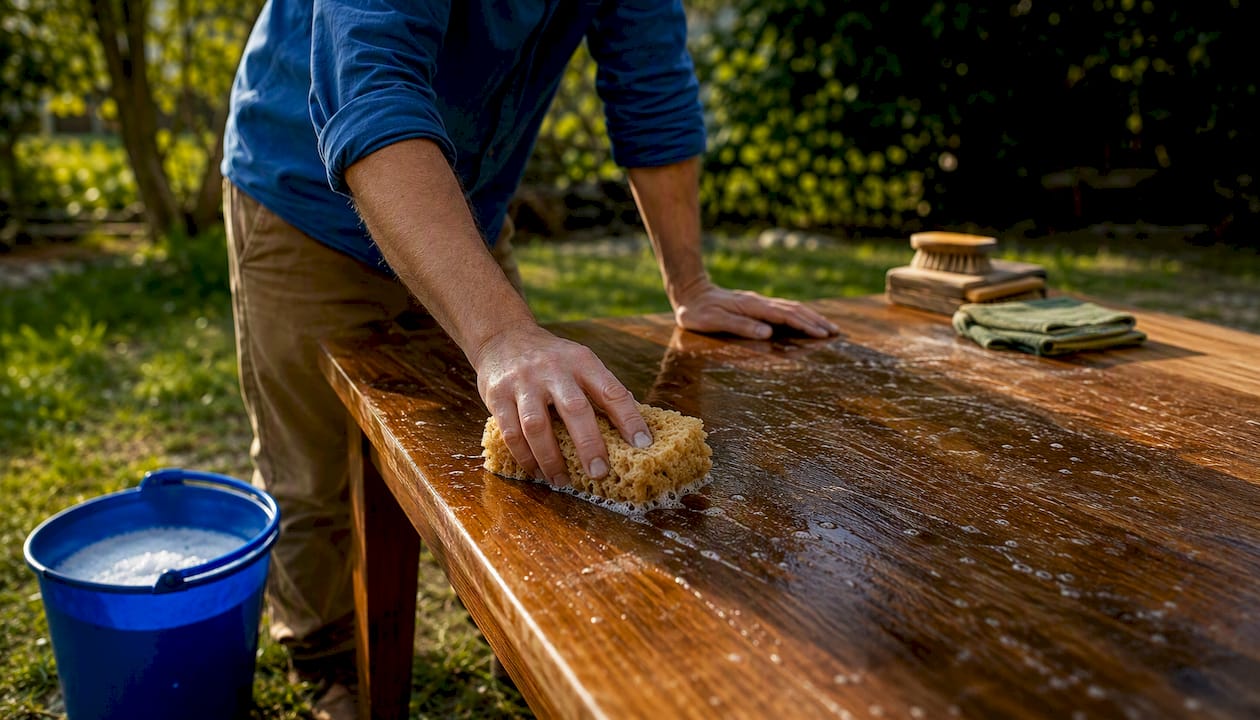
Potassium versus sodium matters at a practical level too. Sodium soaps (most bar soaps and many household detergents) are harder and less soluble, which makes them more likely to leave a film on floors. Potassium soaps dissolve more readily in water, which is why dilution works so well and why the label instructions emphasize a well-wrung mop rather than a wet one.
Oil soap vs. wood soap vs. wood oil vs. regular detergent
These four terms get used interchangeably in hardware stores and on cleaning blogs, and they describe four genuinely different things.
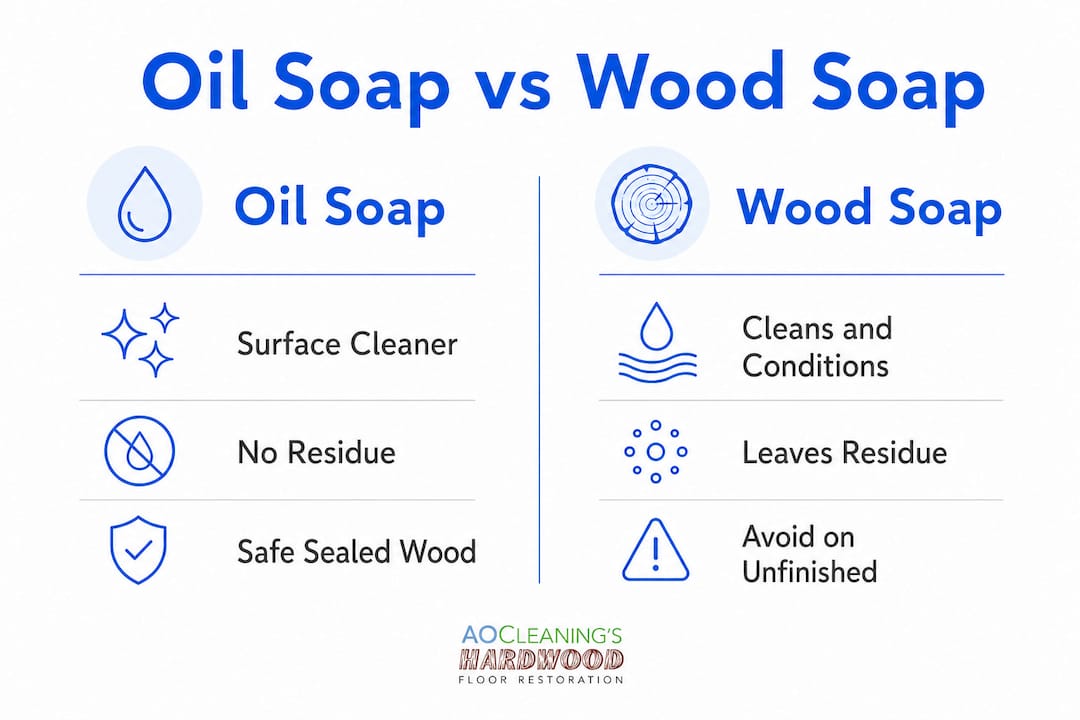
Product Type | Primary Purpose | Leaves a Residue? | Safe on Unfinished Wood? |
Oil soap | Surface cleaner for sealed wood | No (when diluted correctly) | No |
Wood soap | Gentle cleaner, sometimes with conditioning agents | Sometimes | Depends on formula |
Wood oil / conditioner | Penetrating treatment or protective layer | Yes (by design) | Often yes |
Regular detergent | General-purpose cleaner | Can, if not rinsed | No |
The core distinction is whether a product is designed to rinse away or to remain as a care layer. A cleaner should disappear after use. A conditioner or oil is meant to stay. Marketing language blurs this constantly: words like “nourish,” “feed,” and “restore” appear on cleaning products that do none of those things at a structural level.
Pro Tip: Flip the bottle and read the ingredient list before you buy. If the first active ingredient is a potassium salt of a fatty acid and the label includes dilution instructions, you have a cleaner. If the first ingredient is a drying oil (linseed, tung, danish oil), you have a conditioner or finish — not a soap.
How to use oil soap safely on finished hardwood floors
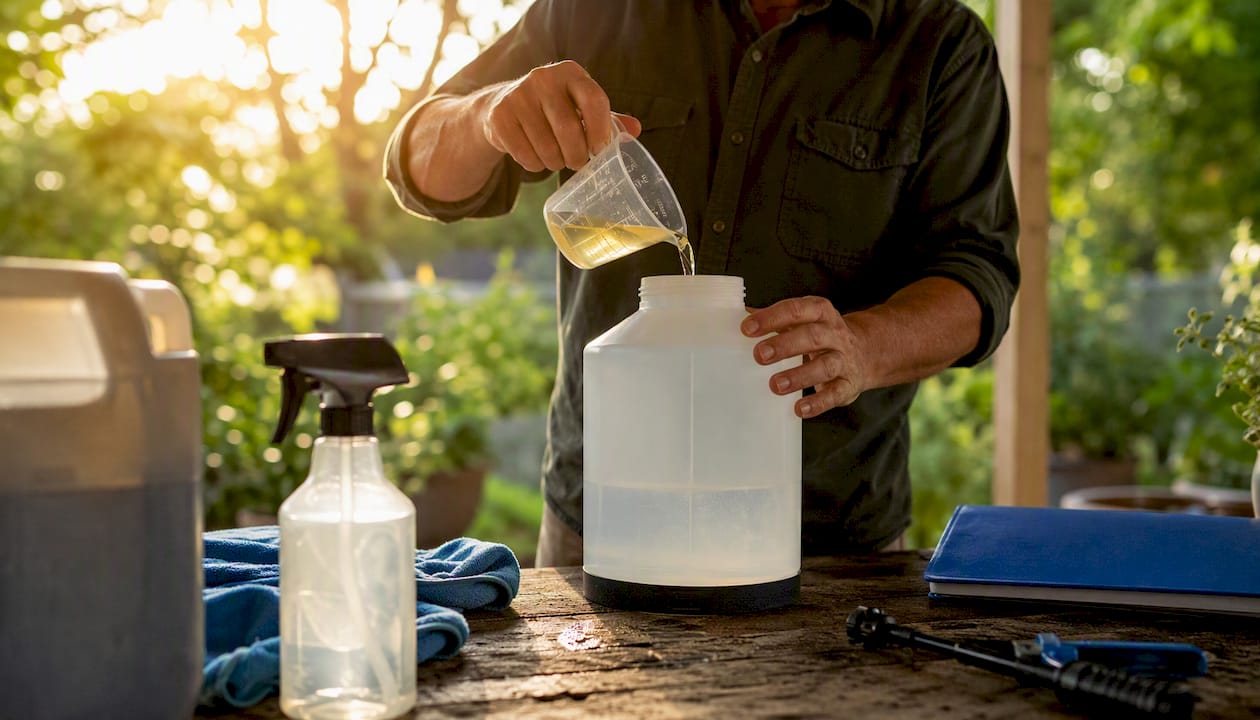
Murphy’s label recommends a small measured amount per gallon of water for routine cleaning and a slightly higher amount for heavier cleaning. Those ratios exist for a reason: more soap does not mean more cleaning power on a sealed floor. It means more residue.
Before you start, run the water bead test. Place a few drops of water on an inconspicuous area. If the water beads up, the finish is intact and diluted oil soap is safe to use. If the water soaks in within a minute or two, the finish is compromised — stop there, because liquid cleaners will reach the raw wood and can cause darkening or swelling.
Step-by-step for routine floor cleaning:
Sweep or vacuum thoroughly first. Oil soap cleans a sealed finish; it does not lift heavy debris.
Mix ¼ cup of oil soap into one gallon of warm water.
Wring your mop until it is barely damp. Standing water is the enemy of hardwood.
Work in sections, moving with the grain.
Dry the floor quickly with a clean cloth or fan if the room is humid.
Do not rinse unless you see streaking or tackiness — a properly diluted solution should not require a second pass.
For heavier buildup (grease near a kitchen island, for example), increase to ½ cup per gallon and follow the same technique. Do not scrub aggressively; let the surfactants do the work.
What to watch for:
Streaks or a sticky film: too much soap, not enough water, or mop too wet
Dull haze after drying: residue buildup from repeated over-concentration
Darkening or grain raising: water reached unfinished wood — stop immediately
Pro Tip: For routine hardwood floor cleaning, once every one to two months is plenty for most households. More frequent use at full dilution can still build up a film over time. Alternate with a plain damp mop between oil soap sessions.
What oil soap does to common finishes — and why refinishing pros pay attention
On polyurethane or varnish finishes in good condition, diluted oil soap cleans without damaging the finish. That is the use case it was designed for. The problem shows up in two scenarios: the wrong surface and the wrong concentration.
On oiled or waxed finishes, oil soap can strip the wax layer or interfere with the oil treatment, leaving the surface uneven or dull. Water and surfactants penetrate where a wax or oil finish has not fully sealed the wood, which can darken the grain or raise the surface texture.
The refinishing issue is subtler. Professional finishers note that soap residue, even from diluted applications, can build up over months and create a film that interferes with adhesion during a screen-and-recoat. When a pro applies a new coat of finish over a floor that has been cleaned with oil soap for years, that film can cause the new finish to fish-eye, peel, or cure unevenly.
The perceived “nourishing” effect of oil soap on sealed floors is usually just surface cleaning revealing the existing finish. Oil soap does not replenish structural oils in factory-finished hardwoods — and the film it can leave behind may complicate your next refinishing job.
Pro Tip: Tell your floor refinisher exactly what cleaning products you have used in the past year. A good pro will test adhesion before applying a new coat. Hiding the oil soap history can lead to a failed recoat that costs more to fix than the original job.
Other surfaces where oil soap works — and where it doesn’t
Oil soap’s usefulness extends beyond hardwood floors, though the same logic applies everywhere: sealed surfaces, diluted product, no standing liquid.
Where it works well:
Finished wood furniture and cabinets
Painted wood trim and baseboards
Linoleum and vinyl flooring (diluted)
Some smooth leather items (test first on an inconspicuous spot)
Cleaning oil-based or water-based paint from brushes
Garden tool handles (wood or painted metal)
Removing road grime from hubcaps and painted metal surfaces
Where it does not belong:
Unfinished or raw wood (water and surfactants penetrate and can cause damage)
Oiled or waxed wood floors and furniture
Stone, marble, or granite (the pH can etch the surface)
Antiques with unknown or fragile finishes
Any surface where disinfection is the goal — oil soap is not an antimicrobial product
The garden tool and hubcap uses are genuinely underused. A small amount of diluted oil soap cuts through grease and oxidation on painted metal without the harshness of solvent-based cleaners. For hardwood-specific cleaning decisions, it helps to compare oil soap against other recommended products to find the right fit for your finish type.
Safety, storage, and environmental notes
Oil soap is mild by household cleaner standards, but basic precautions apply. Keep it out of reach of children, avoid direct eye contact, and follow the first-aid steps on the label if skin or eye exposure occurs. The concentrated product is an irritant, not a corrosive, but that distinction matters less when it is in a child’s hands.
Store the bottle sealed, away from extreme heat and freezing temperatures. Freezing can separate the formula and affect performance even after thawing. Keep the original label — the dilution instructions printed there are the most reliable reference you have.
Murphy’s formulation is phosphate-free, which matters for waterway health. Many oil soap formulas are biodegradable at normal dilutions. That said, avoid pouring concentrated product directly into storm drains. Diluted rinse water from floor cleaning is generally fine to dispose of through household drains. For eco-conscious floor care, the phosphate-free, plant-derived formulation of most oil soaps is a genuine advantage over solvent-based or synthetic detergent cleaners.
When cleaning is enough — and when to call a hardwood floor pro
Cleaning helps when the finish is intact. It cannot fix a finish that has failed. That line is where most homeowners waste money on repeated cleaning sessions that produce diminishing returns.
Run the water bead test again if your floors look dull after cleaning. Water beading means the finish is still doing its job and the dullness is likely surface dirt or residue. Water soaking in means the finish has worn through, and no amount of oil soap will bring it back.
Professional finishers are clear on this point: dullness from finish failure requires a screen-and-recoat or full refinishing, not another cleaning pass. The diagnostic signs that point to professional service include:
Consistent dullness that does not improve after cleaning
Finish wear patterns at high-traffic zones (doorways, kitchen paths, hallway centers)
Deep scratches that catch a fingernail
Water stains or gray discoloration from moisture reaching the wood
Finish peeling or flaking in any area
Aosaveswoodfloors offers clean-and-buff, screen-and-recoat, and full sand-and-refinishing services across the St. Louis metro and central Illinois area. Most jobs are completed in a single day, with floors ready to walk on in about three hours.
Pro Tip: If you have been using oil soap regularly and are now scheduling a professional recoat, mention it upfront. The pro may need to do a light degreasing step before applying new finish to get proper adhesion.
Key Takeaways
Oil soap is a surface cleaner for sealed wood finishes — not a restorer, conditioner, or disinfectant — and using it correctly comes down to dilution, surface compatibility, and knowing when cleaning has reached its limit.
Point | Details |
Oil soap is a cleaner, not a restorer | It lifts dirt from sealed finishes; it cannot repair or replenish a worn finish. |
Sealed surfaces only | Always run the water bead test before use; if water soaks in, the finish is gone and oil soap can damage the wood. |
Dilution is non-optional | Follow the label dilution instructions for routine cleaning; over-concentration causes residue buildup that attracts dirt. |
Tell your pro what you’ve used | Soap residue can interfere with refinishing adhesion — disclose your cleaning history before a screen-and-recoat. |
Aosaveswoodfloors for finish failure | When cleaning stops working, Aosaveswoodfloors offers clean-and-buff, screen-and-recoat, and full refinishing in the St. Louis metro and central Illinois area. |
A professional perspective on oil soap and floor care decisions
The biggest myth surrounding oil soap is that it feeds or nourishes wood. It doesn’t. What it does is clean the surface of a sealed finish well enough that the existing finish looks better afterward. That is genuinely useful, but it is a much smaller job than the marketing language implies.
The floors that get damaged by oil soap are almost always unfinished or have a wax or oil-based finish that the homeowner did not know about. A quick water bead test before the first application would catch most of those situations. The floors that get damaged by not using oil soap correctly are the ones where years of over-concentrated applications have built up a film that a professional then has to strip before refinishing.
The practical takeaway: oil soap used correctly, at label dilution, on a sealed floor, is a solid routine cleaner. The trouble starts when homeowners treat it as a cure-all or skip the dilution step. And when the finish itself is the problem, no cleaner fixes that. A screen-and-recoat or full refinishing is the right call, and the sooner it happens, the less wood gets sacrificed to the sander.
When cleaning won’t cut it, Aosaveswoodfloors can help
If your floors look dull after a proper cleaning, or if oil soap residue has built up over time and left a hazy film, the finish itself may need professional attention.
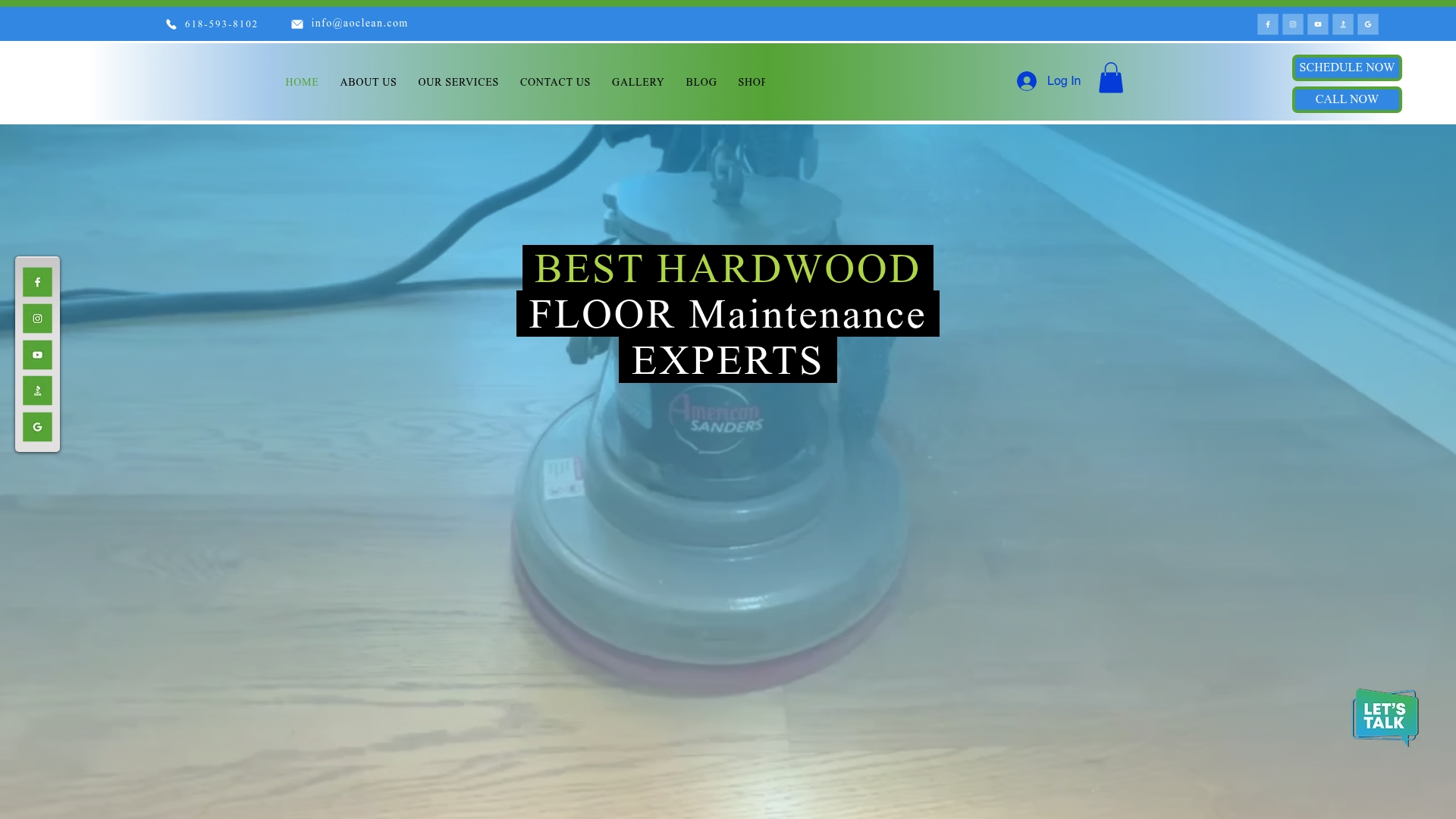
Aosaveswoodfloors has been restoring hardwood floors across the St. Louis metro and central Illinois for many years, with extensive experience and numerous positive customer reviews. Their hardwood floor clean-and-buff service is a practical first step when cleaning has stopped producing results but the finish is not fully worn through. For floors with visible finish failure, deep scratches, or water damage, full sand-and-refinishing brings them back without replacement. Every job uses dustless techniques and eco-friendly products, and most are done in a single day. Get a quote from Aosaveswoodfloors before you decide to refloor.
Useful sources and further reading
Murphy Oil Soap — Wikipedia: Background on the brand’s history and product category, useful for understanding how oil soap became a household name in the U.S.
Murphy Oil Soap uses — murphyoilsoap.com: Manufacturer’s official guidance on approved surfaces and label dilution ratios — the primary reference for safe application.
Original Oil Soap product page — murphyoilsoap.com: Ingredient summary and eco claims (98% natural, phosphate-free) directly from the manufacturer.
Murphy’s Oil Soap: A Most Unusual Story — Popular Woodworking: Professional finisher’s critique of oil soap myths, residue risks, and refinishing complications — the most important read if you are planning a recoat.
Recommended

Comments